









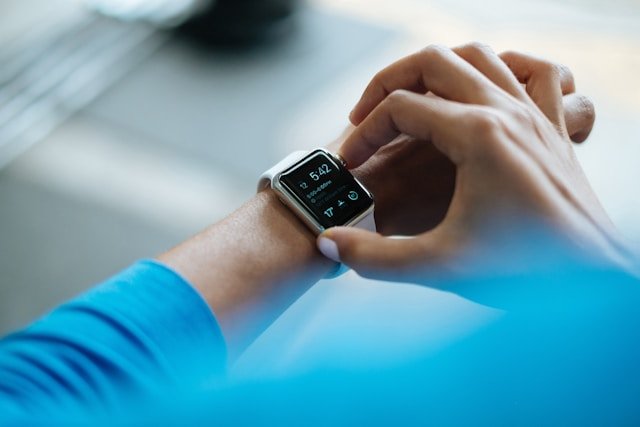
Revolutionizing healthcare is not about a new pill but rather a small piece of technology. It’s true—an exciting transformation in medical technology is enabling us to take unprecedented control of our health. In this article, we will examine how cutting-edge devices, ranging from smartwatches to at-home health monitors, are shifting the focus of healthcare from a reactive to a proactive, preventative model.
Traditionally, the journey to better health has been seen as a series of reactive measures—visiting a doctor when illness strikes or receiving prescriptions to address symptoms. However, the most significant change in contemporary wellness isn’t a breakthrough medication or a trendy diet; it’s the transition toward proactive, preventative care. A surge in medical technology is facilitating this change by providing us with instant access to our health information, empowering us to take control and make informed choices like never before. With the advent of wearable tech and smart home devices, technology has transcended emergency use; it is now an integral part of our daily health routines. Let’s explore this concept further.
The Connected Home: A New Era of Health
Technology is ubiquitous in our lives today. We engage with it daily, and now we even wear it. Wearable devices have elevated health monitoring to unprecedented levels. Smart scales have evolved beyond merely measuring weight; they can now provide detailed insights about your body composition, including muscle mass, bone density, and body fat percentage. Additionally, smart blood pressure monitors and thermometers can relay data directly to an app, creating a convenient and easily shareable health record for your doctor.
The emergence of these user-friendly health gadgets is a testament to the groundbreaking innovations taking place in the medical field. Companies specializing in medical device development, such as HaA Product Development, are at the core of this health tech revolution. They fuse advanced engineering with an in-depth understanding of health to create products that work effectively and are user-friendly for everyday individuals. Without their expertise, many of these innovative technologies would remain trapped in labs, gathering dust.
The Wearable Tech Revolution: Empowering Personal Health Management
The swift rise of wearable technology has perhaps been the most striking change. Smartwatches and fitness trackers have become commonplace, but their functionality now surpasses step counting. Modern devices serve as comprehensive health monitors, continuously providing data on our physical states. For instance, many can track heart rate throughout the day, offering insights into stress levels, workout recovery, and overall cardiovascular health. Some advanced models even have the capability to perform on-demand electrocardiograms (ECGs), allowing for early detection of potential health issues.
Sleep tracking represents another significant area where wearables have made a profound impact. By monitoring your sleep cycles and quality, these handy gadgets enable you to assess your rest patterns and identify potential improvements, such as establishing a more consistent bedtime or reducing screen time before sleep. This ability to self-analyze was unattainable for most just a few years ago.
Remote Patient Care: Transforming Roles in Healthcare
The pandemic has undeniably transformed many aspects of life, including medicine and medical technology, reshaping the relationship between patients and healthcare providers. These advancements enable doctors to monitor a patient’s health remotely, reducing the reliance on in-person appointments.
For individuals managing chronic conditions like diabetes or hypertension, this innovation proves invaluable. Remote monitoring devices can continuously track vital signs like blood sugar and blood pressure, sending data to healthcare providers in real time. This allows for timely adjustments to treatment plans, often before a scheduled visit. Such proactive care enhances health outcomes and empowers patients to take a larger role in their healthcare management. Additionally, it facilitates easier access to healthcare for those residing in rural areas or who have mobility challenges.
Embracing the Future of Proactive Health
The medical technologies we see today are just the tip of the iceberg. Exciting innovations, including artificial intelligence and personalized medicine, are on the horizon. AI is now being employed to analyze vast quantities of health data from wearables and monitoring devices, providing personalized health insights and potential alerts. It can identify trends and risks that may not be apparent to individuals or even healthcare professionals, guiding people toward smarter lifestyle choices. Rather than replacing healthcare providers, this technology equips them with powerful tools to deliver more accurate and preventative care. We are moving toward a future in which health is not merely a reactionary pursuit but a proactive endeavor we manage daily.