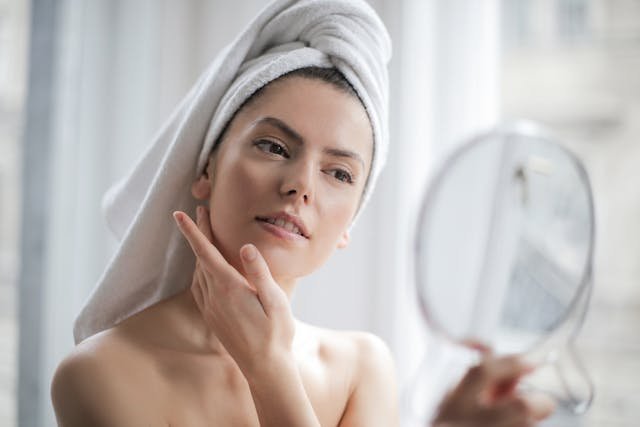









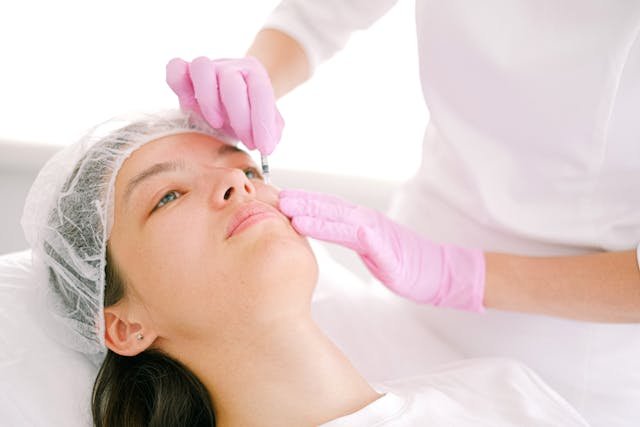
Traditionally, when Botox comes to mind, we often envision a smoother, wrinkle-free forehead. However, the implications of Botox delve much deeper, revealing the profound connection between our appearance and emotional wellbeing. The psychological effects of Botox transcend mere aesthetics, fostering a transformation that can boost confidence and overall mental health.
Exploring the Mind-Body Connection in Aesthetic Medicine
Extensive research has established a strong link between physical appearance and mental health. Studies consistently demonstrate that individuals who feel better about how they look often experience significant boosts in self-esteem, social confidence, and overall contentment in life.
Scientific literature highlights that cosmetic interventions can yield substantial psychological benefits. For example, a comprehensive study revealed that individuals who underwent aesthetic procedures reported heightened self-worth, decreased anxiety and shyness, and an overall improvement in their quality of life. These insights suggest that the advantages of treatments like Botox reach well beyond superficial changes.
Understanding the Science Behind Botox and Emotional Wellbeing
One of the most intriguing elements of Botox treatment is the “facial feedback hypothesis.” This concept proposes that our facial expressions not only mirror our emotions but can also influence them.
When we frown, our contracted facial muscles send signals to our brain that can intensify negative feelings. Botox acts by temporarily relaxing these muscles, particularly in the forehead and between the eyebrows, thus breaking the cycle of negative emotional feedback and possibly enhancing mood and reducing anxiety.
A recent study from the University of California San Diego examined data from nearly 40,000 patients who received Botox. The findings revealed a remarkable 22 to 72 percent decrease in anxiety among those treated with Botox compared to others receiving different therapies, indicating that the psychological benefits go beyond mere aesthetics.
Boosting Confidence by Improving Self-Image
Many patients find that the confidence lift following Botox treatment positively influences various aspects of their lives. Feeling more at ease with one’s appearance can lead to increased social engagement, new opportunities, and enhanced self-assurance.
This change can be particularly impactful for professionals in competitive environments, such as Miami’s business landscape. Patients frequently report heightened confidence in presentations, networking events, and pivotal meetings post-treatment. The revitalized feeling can translate into tangible improvements in both personal and professional interactions.
Psychological Perspectives on Aging
For many, aging brings psychological challenges, such as anxiety about developing fine lines or concerns regarding how they are perceived by others.
Botox treatments present a proactive solution, allowing individuals to smooth dynamic wrinkles and prevent new ones from emerging, which often leads to a greater sense of control over the aging process. This empowerment is especially valuable for maintaining self-esteem throughout life’s various stages.

Social Benefits of Increased Confidence
Confidence greatly enhances social interactions. Individuals who feel good about their appearance are more inclined to make eye contact, smile authentically, and engage meaningfully with others. Such behavioral shifts can create positive feedback loops in social settings.
Numerous patients express that they are more willing to partake in activities they once avoided, be it beach outings in South Florida, professional photo shoots, or social gatherings where photographs will be taken. This heightened social engagement can significantly bolster overall quality of life and mental health.
Mental Health Benefits Beyond Just Looks
Recent research has explored Botox’s potential therapeutic roles in addressing mental health issues. Some studies indicate that Botox injections may alleviate symptoms of depression and anxiety, even in individuals not primarily seeking cosmetic enhancement.
For instance, one investigation found that patients suffering from depression who received Botox showed notable mood enhancements that persisted for months after treatment. This pronounced effect prompted further exploration into Botox as an adjunct therapy for specific mental health issues.
These revelations suggest that Botox’s psychological advantages may operate through various channels, improving self-image while directly influencing neurological functions related to emotional regulation.
Setting Realistic Expectations
While Botox’s psychological benefits can be substantial, achieving them largely hinges on fostering realistic expectations and collaborating with skilled medical professionals. The top Botox providers in Miami emphasize that optimal results stem from subtle, natural-looking enhancements rather than drastic alterations to facial features.
Patients who derive the most satisfaction from their outcomes are typically those who regard Botox as one facet of their overall wellness strategy rather than a cure-all for deeper self-esteem concerns. Coupled with healthy lifestyle choices and nurturing self-care habits, Botox can be an effective tool for sustaining confidence and mental health.
Long-Term Psychological Effects
The confidence gained from Botox often continues well beyond the treatment’s physical effects. Numerous patients report that their enhanced self-image helps cultivate more positive thought patterns and behaviors that persist even as the effects gradually diminish.
This psychological momentum can be particularly beneficial for those who have faced anxiety or self-consciousness related to appearance. Experiencing a boost in confidence allows patients to maintain a more positive mindset, even in between treatments.

Encouraging Positive Life Changes
The psychological shift accompanying Botox often propels other positive changes in patients’ lives. An increase in confidence may inspire individuals to seek new career ventures, enhance their fitness routines, refresh their wardrobe, or invest in personal growth.
This holistic outlook on self-improvement highlights the interconnectedness of physical appearance, mental health, and overall life fulfillment. When one aspect flourishes, it often catalyzes positive developments in other areas.
Impact on Professional and Personal Relationships
The confidence gained from Botox can significantly influence both personal and professional relationships. In the workplace, increased self-assurance can lead to improved communication, a greater willingness to embrace leadership roles, and enhanced performance in high-pressure scenarios.
In personal life, this boost in confidence often translates into more genuine connections and heightened comfort in social or intimate situations. Many patients report feeling more engaged and present in their relationships when liberated from appearance-related concerns.
The Importance of Self-Care for Mental Wellness
Opting for Botox treatments can be a significant act of self-care, conveying to oneself and others that wellbeing is a priority. This psychological advantage should not be underestimated; taking proactive steps to alleviate aging or appearance concerns can foster a sense of personal agency and self-worth.
Regular Botox treatments can complement a broader self-care routine that encompasses exercise, nutritious eating, stress management, and other wellness practices. Viewed within this context, the psychological benefits extend beyond the procedure to facilitate a more comprehensive approach to personal health.
The psychological aspects of Botox unveil a complex yet compelling interplay between physical appearance and mental health. While the most apparent visible effect may be smoother skin and diminished wrinkles, the psychological transformations experienced by many patients can be equally profound. From increased self-confidence to improved social interactions, along with potential mental health benefits and heightened life satisfaction, Botox presents a unique blend of aesthetic and psychological enhancements.
Recognizing these psychological dimensions sheds light on why Botox has gained such popularity among those seeking not only to enhance their appearance but also to improve their self-perception. When administered by skilled professionals with appropriate expectations and care, Botox can be a vital resource for fostering both physical aesthetics and mental wellness.
For numerous patients, the choice to pursue Botox is more than just a cosmetic decision; it represents an investment in their self-image, confidence, and overall quality of life. The resulting psychological benefits can initiate positive changes that extend far beyond the clinic, contributing to a more fulfilled and self-assured way of living.