








Maintaining the freshness of food products from production to the consumer’s table is a vital aspect of the food supply chain. Effective packaging plays a crucial role in safeguarding the quality, safety, and longevity of food items. The selection of appropriate materials and the use of tools like a carton sealing machine are critical for securing products during transportation, significantly influencing food quality. Packaging not only shields food from external factors but also helps retain its nutritional value and visual appeal.
This article outlines the key ways in which packaging contributes to food freshness and quality, along with essential considerations for selecting the ideal packaging solution for food products.
1. Safeguarding Against Contamination and Spoilage
The primary role of food packaging is to serve as a barrier against contamination and spoilage. Food items are susceptible to various external contaminants, including bacteria, dust, and moisture, which can compromise both quality and safety. Packaging provides a protective barrier, ensuring that food remains safe for consumption throughout its shelf life.
Materials like plastic films, aluminum, and specialized coatings are engineered to resist moisture, oxygen, and light—all contributing factors to food spoilage. When properly sealed, these materials help prevent external contaminants, significantly lowering the risk of foodborne illnesses.
Illustrative Examples of Protective Packaging:
- Vacuum-Sealed Bags: Effectively remove air from packaging, thereby preventing oxidation and inhibiting bacterial growth.
- Plastic Wraps: Useful in keeping moisture and contaminants at bay.
- Sealed Carton Boxes: Employing a carton sealing machine ensures boxes are tightly closed, preventing dirt, moisture, and other contaminants from entering.
2. Retaining Freshness and Nutritional Content
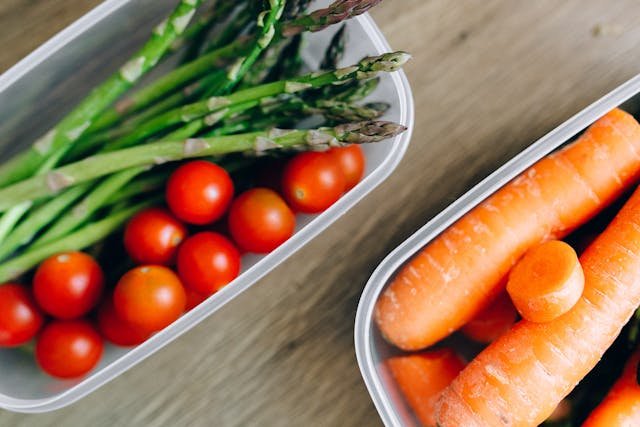
Beyond protection against contamination, packaging is critical for preserving the nutritional value and freshness of food products. Many items, particularly perishable ones like fresh produce, quickly lose their nutritional content when exposed to air and light. Packaging that limits exposure to these elements can prolong product shelf life while maintaining taste and nutritional benefits.
For instance, modified atmosphere packaging (MAP) alters the gas composition within the package to decelerate spoilage, keeping fruits, vegetables, and meats fresher for extended periods. Additionally, certain packaging solutions are designed to regulate humidity levels inside the package, preventing conditions that lead to sogginess or spoilage.
Effective Packaging Solutions for Freshness:
- MAP (Modified Atmosphere Packaging): Reduces oxygen levels to inhibit spoilage.
- Barrier Films: High-barrier films block air and moisture from penetrating the package.
- Resealable Packages: Allow consumers to keep food fresh after opening.
3. Temperature Control During Distribution
Temperature control is crucial for preserving food quality, especially for perishables that must remain within specific temperature ranges while in transit. Packaging contributes to this effort by providing insulation and ensuring that food stays within the required temperature limits throughout distribution.
For example, insulated containers and refrigerated trucks are standard for transporting frozen and chilled foods. Packaging solutions with thermal insulation help maintain proper temperatures, minimizing the risk of spoilage or quality degradation during transport.
Moreover, maintaining the integrity of the packaging during transit is essential. Well-sealed packages—utilizing tools like a carton sealing machine—ensure temperature-sensitive products remain secured, preventing exposure to external elements during handling and transport.
Temperature Control Packaging Solutions:
- Insulated Containers: Maintain consistent temperatures for food products during transportation.
- Chilled and Frozen Packaging: Designed specifically for items that require refrigeration or freezing.
- Secure Sealing Techniques: Employ machines to guarantee airtight closures on boxes and cartons.
4. Reducing Food Waste Through Innovative Packaging
In the global effort to tackle food waste, smart packaging plays a vital role. Packaging that prolongs shelf life, deters spoilage, and permits resealing ensures food is consumed before it spoils, thereby minimizing waste. Innovations such as intelligent packaging—capable of monitoring food freshness and notifying consumers of temperature changes or spoilage—are becoming increasingly prevalent.
Furthermore, packaging designed for portion control, like individually sealed servings, helps prevent premature exposure and spoilage. This allows consumers to use only what they need while keeping the remainder sealed and fresh.
Innovative Packaging Solutions for Reducing Waste:
- Intelligent Packaging: Real-time monitoring of temperature and freshness.
- Resealable Bags and Containers: Extend food shelf life post-opening.
- Portion-Controlled Packaging: Minimizes exposure to air and moisture, keeping unused portions fresh.
5. Eco-Friendly and Sustainable Packaging
As concerns for environmental impact rise, the packaging industry is increasingly leaning towards sustainable and eco-friendly solutions. While maintaining food freshness and safety is paramount, it’s also essential to consider the environmental implications of packaging materials. More companies are integrating biodegradable, compostable, or recyclable options to mitigate waste.
For example, carton packaging made from recyclable materials is gaining traction as an eco-friendly alternative to conventional plastic solutions. Coupled with sealing technologies like carton sealing machines, these sustainable materials provide functionality while minimizing carbon footprints.
Eco-Friendly Packaging Choices:
- Biodegradable Materials: Decompose naturally, thereby reducing environmental waste.
- Recyclable Cartons: Crafted from renewable resources that can be recycled.
- Minimalist Packaging: Reduces material usage without compromising product safety.
6. The Role of Sealing in Packaging Integrity
No matter how advanced the packaging material, inadequate sealing puts food at risk. Proper sealing is essential for protecting food products during their journey from production to consumption. Weak seals can allow moisture, air, or contaminants to enter the package, compromising quality and leading to spoilage.
Carton sealing machines are crucial for ensuring secure packaging. By creating tight, consistent seals, these machines help preserve packaging integrity, preventing leaks and contamination. This not only maintains food quality but also assures consumers that the products they purchase are safely sealed and protected.
In conclusion, packaging is a fundamental component of the food supply chain directly influencing the quality, safety, and freshness of food products. From selecting appropriate materials to ensuring effective sealing and storage, each detail is vital for maintaining food quality. As packaging technologies advance, the emphasis continues to be on finding a balance between functionality and sustainability, protecting food while reducing environmental impact.