







Approximately 6.5 million Americans aged 40 and older are living with peripheral artery disease (PAD), a condition that gradually narrows the arteries in the legs, leading to reduced mobility, independence, and overall quality of life. The good news is that engaging in regular exercise aimed at preventing PAD can significantly slow its progression, enhance blood circulation, and even reverse some early symptoms. Movement, supported by evidence-based treatment, is more than just therapy; it is essential for maintaining an active, vibrant, and pain-free lifestyle.
For those managing or looking to avert PAD, blending circulation-enhancing exercises, dietary adjustments, and thoughtful lifestyle choices creates an actionable plan for improved vascular health, alleviating concerns about peripheral artery disease treatment.
The Importance of Movement in Managing Peripheral Artery Disease
PAD is not merely a circulation issue; it is a progressive condition that limits blood flow to the lower limbs, resulting in symptoms like leg pain during walking (claudication), numbness, and non-healing wounds. While medication and advanced procedures are crucial, numerous studies indicate that moderate, consistent exercise is the most effective non-invasive initial treatment. Therefore, integrating a dedicated walking program into daily life can make a significant difference.
Consequences of Inactivity
In the absence of physical activity, PAD can create a harmful cycle: reduced movement leads to increased pain, which discourages further walking. Without stimulation of the skeletal muscles, the arteries in the legs become more rigid, resulting in potential long-term disability. At this point, more advanced medical interventions from a multispecialty hospital may be required.
Effective Exercises to Prevent Peripheral Artery Disease and Enhance Circulation
A well-structured exercise regimen helps muscles utilize oxygen more efficiently and promotes the development of collateral blood vessels. The following safe, proven, and scalable exercises can significantly boost circulation:
1. Supervised Walking Therapy
This foundational exercise for PAD prevention involves patients walking at a pace that brings moderate discomfort, followed by rest periods. This cycle is repeated for 30-50 minutes, 3-4 times per week. Research indicates that even six months of therapy can improve walking distance by over 50%.
2. Resistance Training
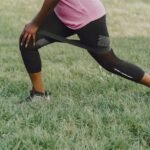
This form of exercise focuses on large leg muscle groups using light weights or resistance bands, helping build endurance and minimize fatigue. Combining this with walking maximizes the benefits.
3. Dynamic Stretching and Yoga
These activities enhance mobility, support healthy blood flow, and alleviate tension that can restrict movement. Chair yoga is particularly beneficial for those concerned about balance.
4. Cycling and Low-Impact Cardio
Utilizing a stationary bike or participating in aquatic aerobics can protect the joints while promoting blood flow to the lower limbs. This gentle yet effective option is often preferred by seniors or recovering patients.
Lifestyle Modifications to Support PAD Prevention
Exercise yields the best results when complemented by a vascular-supportive lifestyle. Here are vital tips and strategies for preventing PAD:
Heart-Healthy Diet
Adopting a Mediterranean-style diet rich in leafy greens, olive oil, oily fish, nuts, and whole grains has proven effective in reducing arterial stiffness and inflammation. Limiting processed sugars and saturated fats can further decrease the risk of plaque buildup.
Immediate Smoking Cessation
Tobacco use is the leading preventable cause of PAD. Smoking significantly accelerates arterial narrowing, and quitting can reduce complications by half within the first year.
Chronic Condition Management
Health issues like diabetes or hormonal imbalances can impair circulation. For those experiencing age-related changes, exploring hormone replacement therapy may enhance overall health and mobility.
Stress Reduction and Quality Sleep
Elevated cortisol levels contribute to arterial inflammation. Prioritizing mindfulness practices, restful sleep, and nurturing social connections is vital for maintaining cardiovascular health.
When to Consider Medical Help
If you experience ongoing leg pain despite your exercise efforts or develop sores that don’t heal, it’s essential to seek a professional vascular evaluation. While effective prevention is crucial, advanced PAD cases may require angioplasty, stenting, or surgical interventions.
Combining personalized treatment with a comprehensive prevention strategy is the ideal approach. Facilities specializing in podiatry services can evaluate gait mechanics, circulation, and wound healing capabilities, offering tailored prevention plans.
Enhance Your Life, Embrace Movement
You don’t have to let PAD dictate your independence. The journey to improved circulation, symptom relief, and regained mobility begins with informed actions. Through consistent exercise aimed at preventing peripheral artery disease, combined with lifestyle changes and expert care, you can keep your legs—and your life—moving forward. Whether taking a sunrise walk on the beach or keeping pace with grandchildren, your quality of life starts with the first step.