








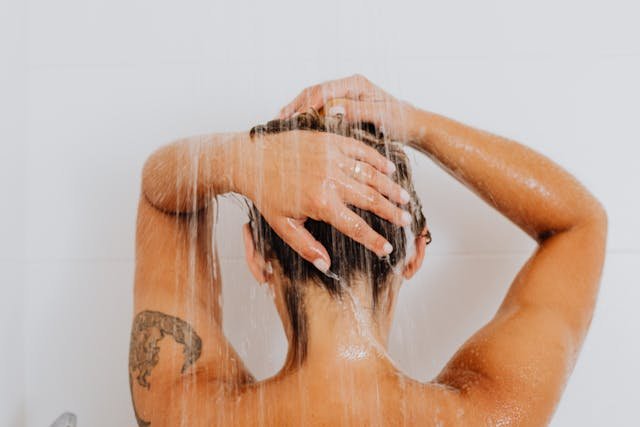
Many women don’t examine their shampoo labels until an issue arises. Have you ever wondered what’s in that bottle you use regularly? On average, shampoos contain 10-30 chemical ingredients, many of which can be detrimental to women’s hair.
The Importance of Understanding Hair Care Ingredients
Women’s hair differs significantly from men’s; while our strands are generally finer, we have more of them. Hormonal fluctuations can affect our hair growth cycles, and our scalps produce varying amounts of oil throughout the month. Poor-quality ingredients can negatively impact our hair more due to these variations.
Imagine each hair strand as being covered in tiny scales, akin to roof shingles. Harsh ingredients in shampoos pry these scales open, exposing the inner structure that provides strength and color. Once hair is damaged, repairing it can be quite challenging.
Sulfates to Steer Clear Of
If you enjoy that rich lather, you’re likely experiencing Sodium Lauryl Sulfate (SLS)—which may be harming your hair. SLS doesn’t merely cleanse; it strips away your hair’s natural oils. For color-treated hair, SLS can accelerate fading, and if you have curls, SLS is particularly damaging to your curl pattern.
Sodium Laureth Sulfate (SLES) may seem gentler, but it offers little comfort. After SLES cleanses, your scalp may overproduce oil to compensate for the dryness, leading to more frequent washing and exacerbating the problem.
The Hidden Risks of Silicones
While products containing dimethicone may provide immediate smoothness, they come with drawbacks. Silicones form a plastic-like coating around your hair, disguising damage without repairing it.
The most concerning issue? Many silicones don’t rinse out properly, leading to buildup that prevents moisture from penetrating the hair shaft. This can be particularly problematic for women with fine hair, resulting in a flatter, duller appearance.
Worrisome Preservatives
Parabens have earned their negative reputation as these preservatives (methylparaben, propylparaben, butylparaben) can mimic estrogen in the body, with studies detecting their presence in breast cancer tissue. As research continues, it’s prudent to avoid them.
Equally concerning are formaldehyde-releasing preservatives like DMDM hydantoin and quaternium-15, which leach formaldehyde to keep your shampoo free from bacteria—a disturbing thought.
The Risks of Artificial Fragrances and Dyes
Does your label list the term “fragrance”? This one word can mask a host of undisclosed chemicals. Companies aren’t required to disclose the specific components of their fragrance blends, which can lead to headaches, skin rashes, and respiratory issues for many women.
Additionally, artificial colors like FD&C and D&C dyes serve no purpose for your hair and may irritate your scalp while simply enhancing the visual appeal of the product.
Damaging Alcohols to Avoid
While not all alcohols are harmful, the detrimental ones—such as isopropyl alcohol, SD alcohol, and ethanol—evaporate quickly, leaving your hair dry and brittle. Women with dry or curly hair should avoid these.
Conversely, cetyl alcohol and stearyl alcohol are beneficial as they are plant-derived and work to moisturize and soften your hair. Same term, entirely different effects.
Dandruff Treatments: Beneficial or Harmful for Women?
Have you noticed that dandruff often worsens before your period? This is typical as hormones can influence scalp health. Consequently, choosing the right anti-dandruff products can be a challenge.
Zinc pyrithione can be effective when combined with the right nurturing ingredients that prevent dryness. The Balancing Shampoo offers this combination, pairing zinc pyrithione with botanical extracts for a soothing effect. Unlike traditional medicated dandruff shampoos, it smells delightful and does not strip color or leave hair feeling dry. This reputable product helps reduce breakage, soothe the scalp, and keep hair vibrant without harsh chemicals.
Selenium sulfide is another option for combating dandruff but can alter the appearance of color-treated hair.
Ketoconazole serves as a powerful treatment; however, excessive use can wipe out beneficial microorganisms on your scalp along with the harmful ones.
Women experiencing postpartum hair changes or hormonal fluctuations require products that offer treatment while also providing nourishment. The Balancing Shampoo effectively balances oil production without sacrificing hair health.
Healthier Alternatives
Opt for sulfate-free shampoos with gentler cleansers like coco glucoside and sodium cocoyl isethionate—they cleanse without stripping your hair. Though they may not lather as extensively, just a few weeks of use can lead to visibly healthier hair.
Quality conditioning ingredients such as shea butter, argan oil, and panthenol (vitamin B5) penetrate your hair, rather than merely sitting on the surface.
Concerned about maintaining product freshness without hazardous preservatives? Look for sodium benzoate combined with potassium sorbate. While no preservative is flawless, these tend to have safer profiles.
Using complementary products greatly enhances results. The Balancing Shampoo works best with its accompanying Nourishing Conditioner. Together, they provide constant care for your scalp and hair, achieving results that mismatched products simply can’t offer.
How to Decode a Shampoo Label
Ingredient lists are systematic, with concentrations listed in descending order. Therefore, the first few ingredients constitute the majority of what you apply to your hair.
Be wary of flashy product packaging. A bottle boasting “ARGAN OIL MIRACLE!” could contain only a trace of argan oil amidst a mix of low-quality, harmful components. Utilize apps like Think Dirty and EWG’s Skin Deep to see beyond marketing claims and uncover the true contents.
Quality Ingredients Lead to Healthier Hair
Your shampoo should effectively cleanse your hair without causing harm. That’s a reasonable expectation.
Avoiding harsh sulfates, silicones, dubious preservatives, synthetic fragrances, and drying alcohols can break the damaging cycle caused by many shampoos. Your hair can truly heal rather than merely appearing temporarily improved.
Countless women spend years frustrated with the lack of improvement despite trying numerous products. Transitioning to better formulations, such as those containing zinc pyrithione in conjunction with nourishing botanicals, can reveal the true potential of your hair—healthy, strong, and free of flakes without compromise.
Inspect your shampoo label. Your hair deserves better than a cocktail of chemicals.