









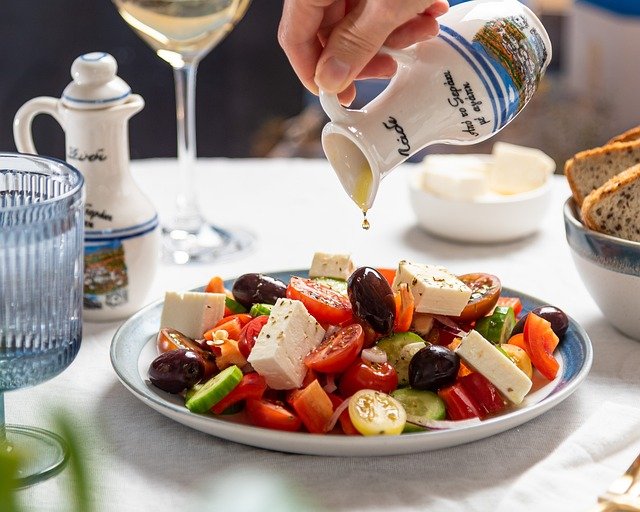
There’s nothing quite like the bright, zesty flavor of homemade olive oil and vinegar salad dressing. By combining your choice of vinegar with high-quality olive oil, you can create a delightful blend that not only enhances your salads but also provides numerous health benefits. This article will guide you through the process of crafting a nutritious olive oil and vinegar dressing.
Choose Your Base Oil Wisely
The foundation of your dressing is the oil, and many opt for olive oil because of its exceptional health benefits and rich taste. Olive oil is packed with monounsaturated fats and antioxidants that help combat inflammation and support heart health.
Always opt for the highest quality extra virgin olive oil (EVOO) to fully enjoy its polyphenol benefits, as it is less processed and retains more flavor and nutrients.
Discover the Right Vinegar Tang
Vinegar adds acidity to your dressing, balancing the smoothness of the olive oil. You have a variety of options to choose from, including balsamic, coconut, red wine, sherry, and apple cider vinegar.
Each type of vinegar brings its own unique flavors and potential health benefits. Balsamic vinegar, for example, is favored for its complex sweetness, while apple cider vinegar is renowned for its health benefits, such as aiding digestion and supporting weight loss.
While it’s great to find a favorite, don’t hesitate to experiment with different vinegars to discover your preferred flavor profile.
Achieve Flavor Balance
To create a harmonious dressing, it’s essential to use the right ratio of oil to vinegar. A classic vinaigrette follows a 3:1 ratio—three parts oil to one part vinegar. Feel free to adjust this ratio based on your taste preferences and the type of vinegar you choose. Here are the basic ingredients:
- ¾ cup olive oil
- ¼ cup vinegar
- Black pepper to taste
- Salt to taste
- Optional ingredients such as honey, lemon juice, minced garlic, Dijon mustard, and fresh herbs
Combine the Base Ingredients
In a bowl, whisk together the olive oil and chosen vinegar until well blended. Season with salt and pepper to taste, starting with a small amount and adjusting as necessary to avoid over-seasoning.
Incorporate Add-Ins
If your dressing is too tangy, consider adding honey for sweetness. A splash of lemon juice can brighten the flavor, while Dijon mustard adds tang and creaminess. Minced garlic introduces a savory punch, and fresh herbs like thyme, basil, or parsley bring vibrant flavor and aroma to your salad dressing.
Emulsify for Longevity
To ensure your dressing remains mixed and coats your greens evenly, emulsifying is key. A food processor or blender makes this task simple, especially when adding ingredients like honey or mustard. If you don’t have those tools at hand, whisk vigorously to achieve a smooth emulsion. Store your dressing in a sealed jar or glass bottle for freshness.
Creating your own healthy salad dressing is both easy and enjoyable. Focus on using quality ingredients, balancing the flavors, emulsifying properly, and storing your dressing correctly for the best results.