









Ensuring proper nutrition while caring for someone you love can resemble piecing together a complicated puzzle. Recent research indicates that more than 60% of caregivers find their own eating habits decline as they prioritize their loved one’s needs. The silver lining? By implementing strategic planning and seeking appropriate support, you can sustain healthy eating patterns that benefit both you and the individual you’re caring for.
Embracing Clean Eating at Any Age
Clean eating is not about stringent restrictions or convoluted diet rules; rather, it emphasizes the consumption of whole, minimally processed foods that offer optimal nutrition. For both caregivers and seniors, this approach can enhance energy levels, bolstering immune function and overall wellness.
Nutrition specialists from leading home care facilities in Philadelphia emphasize the importance of making clean eating practical and sustainable. Striking a balance between ideal nutrition and the realities of time constraints, budgets, and diverse dietary requirements is key.
The Value of Professional Assistance
Professional caregivers can serve as essential partners in promoting good nutrition. They can help with meal planning, grocery shopping, and food preparation, ensuring that both caregivers and their loved ones adhere to healthy eating habits. Many home care services now offer specialized training in nutritional support, making them valuable resources for enhancing dietary practices.
Effective and Practical Meal Planning
The key to successful meal planning lies not in crafting elaborate menus, but in employing smart strategies that save time and energy while maximizing nutritional value. Here’s a straightforward approach:
Begin with a simple weekly plan:
- Designate three primary sources of protein (such as chicken, fish, and beans)
- Select five adaptable vegetables
- Pick two to three whole grain choices
- Keep nutritious snacks on hand
This framework allows for ingredient mixing and matching while ensuring variety. Preparing these base ingredients in bulk on a less hectic day can simplify meal preparation for the entire week.
Addressing Common Dietary Obstacles
Shifts in appetite and dietary restrictions can pose challenges for seniors. Here are some practical solutions:
For diminished appetite:
- Offer smaller, more frequent meals
- Prioritize nutrient-rich foods to ensure every bite is beneficial
- Time meals for when energy levels are highest
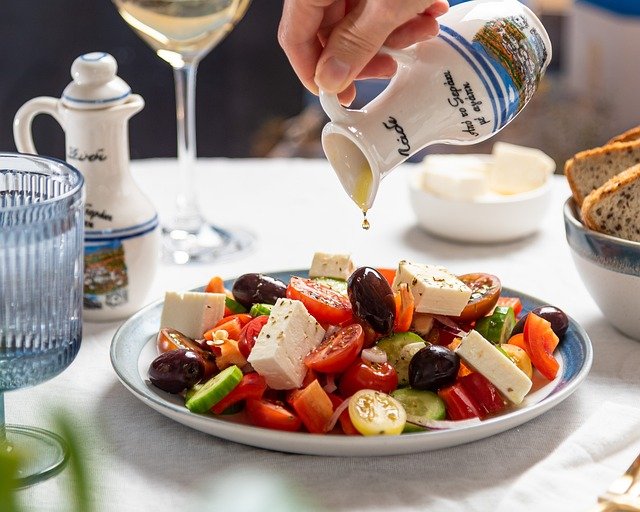
- Create colorful and textured plates to make meals more enticing
For dietary restrictions:
- Focus on naturally compliant foods instead of processed alternatives
- Enhance flavors using herbs and spices rather than salt
- Adjust food textures while keeping flavors intact
- Maintain a log of successful meals and snacks
Creating a Successful Kitchen Environment
A well-organized kitchen can simplify healthy eating. Important tools include:
- A good quality set of sharp knives
- Multiple cutting boards to minimize cross-contamination
- Storage containers in various sizes
- A blender for smoothies and purées
- Measuring cups and spoons
Keep frequently used items readily accessible and establish specific areas for different types of food preparations.
Quick and Nutritious Recipe Inspirations
Protein-Packed Breakfast Ideas
- Overnight oats topped with Greek yogurt and berries
- Vegetable egg muffins (make ahead for convenience)
- Smoothie bowls enriched with protein powder and nuts
Simple One-Pan Recipes
- Sheet pan chicken accompanied by roasted vegetables
- Baked fish served with sweet potatoes and broccoli
- Vegetarian chili topped with cornbread
Healthy Snack Options
- Apple slices paired with almond butter
- Greek yogurt layered with fruit
- Homemade trail mix
- Veggie sticks served with hummus
Effective Shopping Techniques
Craft a master shopping list organized by store layout to save time and reduce impulse buys. Stock up on:
Pantry Essentials:
- Whole grains (brown rice, quinoa, oats)
- Beans and lentils
- Nuts and seeds
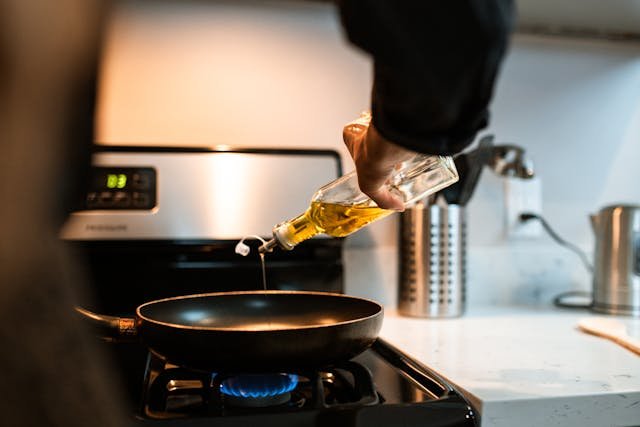
- Healthful oils (like olive or avocado)
Fresh Produce:
- Long-lasting fruits and vegetables (apples, citrus, carrots, cabbage)
- Pre-prepped items for busy days
- Frozen vegetables as a backup option
Enhancing Meal Appeal
Presentation is key, especially when motivating appetite can be challenging. Consider these strategies:
- Incorporate colorful vegetables to create visually appealing plates
- Vary textures to keep meals interesting
- Serve food at preferred temperatures
- Offer smaller portions while allowing for seconds if desired
Honoring Special Occasions
Celebrations don’t have to disrupt healthy eating. Here are some suggestions:
- Choose one special item rather than multiple treats
- Prepare healthier versions of favorite recipes
- Practice portion control while enjoying traditional dishes
- Plan ahead for holiday meals and gatherings
Evaluating Progress and Making Adjustments
Maintain a simple food diary to track:
- Meals that worked particularly well
- Energy levels throughout the day
- Any digestive issues or concerns
- Overall satisfaction with meals
Use these insights to refine your approach over time.
Taking the Next Steps
Understand that enhancing your nutrition is a journey rather than a destination. Begin with manageable changes, then gradually build on them. Embrace progress over perfection, and acknowledge small victories along the way.
Final tips for success:
- Start by improving one specific meal
- Implement gradual changes to prevent feeling overwhelmed
- Keep a record of successful meals and snacks
- Stay adaptable and modify as needs evolve
With thoughtful planning and proper support, you can establish a sustainable approach to healthy eating that serves both you and your loved one. Remember, prioritizing your own nutritional needs is not selfish; it’s vital for providing the best possible care.