








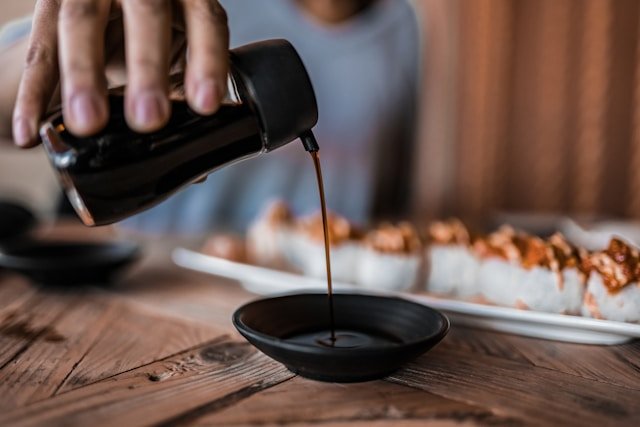
When preparing meals, enhancing the flavor and deliciousness of your dishes is key. Liquid condiments like soy sauce can take your cooking to new heights by adding depth and complexity. Discover which soy sauce is right for you and learn more about this essential seasoning.
Shopping Tips for Soy Sauce
While soy sauce is often regarded as a fundamental component of Asian cuisine, it is gaining popularity in the U.S., with the projected revenue reaching $5,541.1 million by 2025. Despite the enduring dominance of ketchup and mayonnaise, interest in soy sauce is on the rise.
Health-conscious buyers should keep some factors in mind before adding soy sauce to their kitchen. Typically, soy sauce is higher in sodium compared to other condiments, as it contains salt, MSG, and various additives. Those with salt sensitivities should carefully check nutritional labels before purchasing.
Soy sauce is made from a variety of ingredients, such as soybeans and wheat. Some brands utilize traditional fermentation methods, while others employ chemical processes. With many styles available, don’t hesitate to explore and find the flavor that suits you best.
Top Soy Sauce Brands
As you navigate the grocery store, you might wonder which soy sauce to choose. The answer is subjective, as everyone has different preferences. Here’s a roundup of some of the top brands you should consider trying.
1. San-J
| Type | Tamari soy sauce |
| Origin | Japan |
| Ingredients | Water, soybeans, salt, alcohol |
| Available sizes | 10, 20, and 64 fluid ounces |
San-J is renowned for its authentic Japanese soy sauce crafted through traditional fermentation. Its Tamari Soy Sauce stands out for being richer and less salty than standard soy sauces, and its clean ingredient list ensures it’s vegan, non-GMO, and gluten-free.
Another advantage of San-J is its variety. For those watching their sodium intake, they offer options with 28% or 50% less sodium, and some products feature organic soybeans and alcohol for environmental sustainability.
2. Lee Kum Kee
| Type | Dark soy sauce |
| Origin | China |
| Ingredients | Water, salt, soybeans, sugar, wheat flour, caramel coloring |
| Available sizes | 8.4, 59, and 64 fluid ounces |
Lee Kum Kee is a well-loved brand crafted using traditional brewing methods, enhancing its inherent umami flavor with additional enhancers. It contains sodium benzoate as a preservative, extending its shelf life.
This classic soy sauce is perfect for marinating and cooking, with its Brown Braising Sauce designed specifically for Chinese dishes like pork belly.
3. Kikkoman
| Type | Dark soy sauce |
| Origin | Japan |
| Ingredients | Water, soybeans, wheat, salt |
| Available sizes | 5 fluid ounces, 40 fluid ounces, 2 quarts |
Kikkoman is an iconic soy sauce brand that originated in Japan before being produced in the U.S. It is known for its traditional fermentation process, resulting in a rich and deep flavor without any preservatives, and is non-GMO.
There are also gluten-free and organic options available, maintaining the characteristic reddish-brown color, along with a double-fermented variety that intensifies the umami taste.
4. American Garden
| Type | Dark soy sauce |
| Origin | U.S. |
| Ingredients | Distilled vinegar, hydrolyzed soy protein, salt, high fructose corn syrup, citric acid, caramel color |
| Available sizes | 295 milliliters |
American Garden is known for its wide array of sauces and is perfect for those seeking dairy-free and vegetarian-friendly options. Its Classic Soy Sauce employs hydrolyzed soy protein to achieve umami without traditional brewing, while still eliminating artificial flavors.
5. Silver Swan
| Type | Dark and light soy sauce |
| Origin | Philippines |
| Ingredients | Water, soybean protein, wheat flour, iodized salt, coloring agent |
| Available sizes | 34 and 128 fluid ounces |
Originating from Manila’s Chinatown, Silver Swan offers a unique soy sauce that subtly enhances your dishes. Its sweeter profile is achieved using high-quality soybeans, available in both regular and light versions for different uses.
6. Kroger Soy Sauce
| Type | Dark and light soy sauce |
| Origin | U.S. |
| Ingredients | Water, hydrolyzed soy protein, salt, dextrose, caramel color |
| Available sizes | 10 fluid ounces |
Kroger Soy Sauce is a chemically produced option utilizing hydrolyzed soy protein, inspired by traditional Chinese flavors that are often saltier than Japanese counterparts.
Available in standard sizes and marketed as Kosher, Kroger also offers the Private Selection Premium Soy Sauce, which maintains a richer texture ideal for stir-frying and meal prep.
7. Pearl River Bridge
| Type | Dark soy sauce |
| Origin | China |
| Ingredients | Water, soybeans, salt, sugar, wheat flour |
| Available sizes | 5, 150, 500, and 600 milliliters |
Pearl River Bridge is a well-known brand in the U.S., famed for its Superior Dark Soy Sauce that is fermented for over 100 days, delivering a robust flavor. They also offer a Superior Light Soy Sauce and a Gluten Free Low Salt Soy Sauce for health-conscious consumers.
Bourbon Barrel Foods
| Type | Dark soy sauce |
| Origin | U.S. |
| Ingredients | Water, soybeans, wheat, sea salt, and yeast |
| Available sizes | 100 milliliters, 32 ounces |
Bourbon Barrel Foods produces Bluegrass Soy Sauce, a handcrafted option inspired by traditional Japanese recipes, using local ingredients like Limestone-filtered water and non-GMO soybeans. Their Bourbon Smoked Soy Sauce offers a distinctive flavor resulting from slow smoking in bourbon barrels.
9. Sempio
| Type | Dark soy sauce |
| Origin | Korea |
| Ingredients | Water, defatted soybeans, wheat, salt, high fructose corn syrup, alcohol, yeast extract, licorice extract, sucralose |
| Available sizes | 150, 500 and 860 milliliters, and 1.7, 5 and 15 liters |
With a legacy of 70 years, Sempio is a leading brand for naturally brewed soy sauce in Korea, noted for its clean flavor profile and slightly lighter texture compared to other Asian varieties. Their products are Kosher and SQF certified for safety.
10. Shibanuma
| Type | Dark soy sauce |
| Origin | Japan |
| Ingredients | Defatted processed soybeans, wheat, table salt |
| Available sizes | 10.14 fluid ounces |
Shibanuma specializes in artisanal soy sauces, offering options such as the mellow Shiho soup and the Ohitachi variant perfect for sashimi, each undergoing extensive fermentation for enhanced flavor.
11. La Choy
| Type | Dark soy sauce |
| Origin | U.S. |
| Ingredients | Water, salt, hydrolyzed soy protein, corn syrup, caramel coloring, potassium sorbate |
| Available sizes | 10 and 15 ounces |
La Choy has been a trusted source for Asian culinary staples since 1922, beginning with canned bean sprouts and expanding into sauces. Its soy sauces maintain the beloved flavor while offering low-sodium options for health-conscious consumers.
Frequently Asked Questions About Soy Sauce
Now that you know about various soy sauces, you might have some additional questions. Here are answers to common queries regarding this popular condiment.
How Do You Select the Right Soy Sauce?
Choosing the right soy sauce is ultimately a matter of personal taste. Are you looking for larger quantities, or do you prioritize flavor? When deciding between light and dark soy sauce, consider their intended use—light soy is mainly for seasoning and marinades, while dark soy significantly alters color and flavor.
What Are the Health Benefits of Soy Sauce?
Soy sauce can be a useful way to gradually increase your sodium intake. Additionally, it contains antioxidants that may help prevent cellular damage from free radicals, although more research is needed. Nevertheless, moderation is recommended when using soy sauce in your recipes.
What Is Considered Excessive Soy Sauce Usage?
Due to its high sodium content, a single tablespoon of soy sauce can fulfill over a third of the daily recommended sodium intake. When preparing a single serving, it’s advisable to adhere to that quantity. If you’re meal prepping or marinating, feel free to adjust as necessary.
How Long Does Soy Sauce Remain Fresh?
Soy sauce has a long shelf life, thanks to its fermentation and preservatives. However, for optimal freshness, aim to consume it within three to six months after opening, and consider refrigerating to maintain its quality.
How to Use Soy Sauce
Once you’ve chosen a soy sauce, try out these ideas to kickstart your culinary creativity.
Dipping Sauce
Utilizing soy sauce as a dipping sauce is one of the simplest methods. Pair it with boiled chicken, fresh vegetables, or dumplings. Mix your favorite soy sauce with sesame oil, rice wine vinegar, and pepper for a delicious dip. If desired, add cilantro for a touch of freshness.
Stir-Fry Sauce
Stir-fry sauce is another indispensable option for using up leftover rice, noodles, shrimp, tofu, and veggies. Start with vegetable stock, then blend in soy sauce, sesame oil, rice vinegar, garlic, ginger, and sugar. To thicken, add cornstarch, and throw in red pepper flakes for extra warmth.
Salad Dressing
If you want to elevate your plain salad, try making an Asian ginger dressing. Fresh garlic and ginger provide the best flavor—mix them with olive oil, soy sauce, rice vinegar, and honey. Adjust the consistency with water as needed.
Soup Base
Soy sauce serves as an excellent ingredient for crafting flavorful soup, notably in dishes like shoyu ramen. A classic broth combines soy sauce, sesame oil, ginger, garlic, chicken stock, dashi soup stock, and sake, with sugar and salt to taste.
Discover Your Ideal Soy Sauce
Determining the best soy sauce can be a subjective journey with numerous options available. Use this guide to refine your choices and discover the finest flavors. Prioritize your tastes and health considerations when selecting your favorite condiments.