







Sleep apnea is a prevalent condition that disrupts sleep and can lead to various health issues for many individuals. Oral appliance therapy serves as a viable alternative for those struggling with sleep disturbances. Recognizing the advantages of this treatment highlights how individuals can attain better alignment with their overall health.
Comfort and Convenience
Oral appliances are a compact and more comfortable alternative to larger devices. Designed to fit snugly in the mouth similar to an athletic mouthguard, many users find them more convenient than traditional breathing machines. Their lightweight structure and ease of adjustment make them accessible, encouraging more consistent use, which ultimately enhances the effectiveness of the therapy.
Improved Sleep Quality
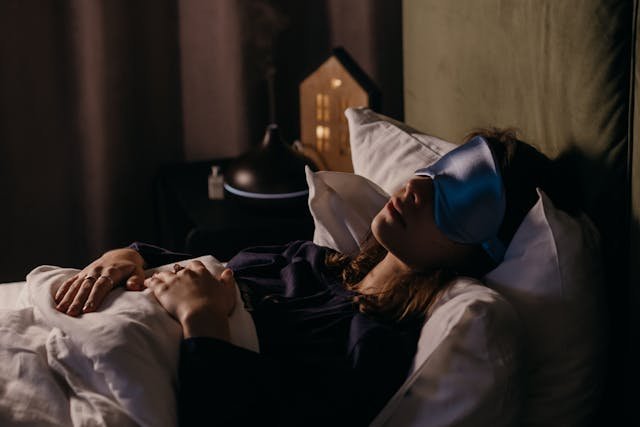
Users of oral appliance therapy often experience uninterrupted deep sleep. These devices work by keeping the airways open, which helps to reduce or eliminate snoring and breathing interruptions. As a result, individuals frequently wake up feeling refreshed and alert. Adequate rest not only boosts daytime energy levels but also enhances mood. Regular use can lead to more restorative sleep for both users and their partners.
Enhanced Portability
One significant advantage of oral appliances is their portability. Their compact size makes them easy to transport, allowing for a hassle-free travel experience. Unlike bulky machines, these devices can be conveniently stored in small cases or bags, making them perfect for frequent travelers. The ability to keep therapy mobile reduces the likelihood of missing a session.
Quiet Operation
Noise is a common concern with many traditional sleep apnea treatments. In contrast, oral appliances function silently, promoting a restful and serene sleep environment for those nearby. This quiet operation alleviates any embarrassment or discomfort caused by machine noise, providing peace of mind for both users and their partners.
Easy Maintenance
Maintaining oral appliances is straightforward. Most devices require only simple brushing and rinsing for cleaning. Regular upkeep is essential for efficient operation, but it doesn’t involve any complicated tools or processes. This ease of maintenance helps users remain committed to their therapy.
Non-Invasive Solution
Oral appliance therapy, also known as dental appliance therapy, is a non-surgical and minimally invasive option. These devices are custom-designed to fit the unique shape of each mouth, minimizing the risk of injury or discomfort. Patients can avoid the concerns related to surgical procedures, making this gentler approach appealing to those seeking treatment with minimal disruption. Many individuals prefer to steer clear of surgical options.
Fewer Side Effects
While some sleep apnea treatments may cause discomfort or additional issues, oral appliances tend to have fewer side effects. Most users experience only minor initial adjustments, such as increased saliva or mild jaw soreness, which typically dissipate quickly. With a low complication rate, these devices are suitable for a wide range of patients.
Improved Compliance
The convenience and user-friendly design of oral appliances encourage regular use. Users often find them more manageable compared to bulkier equipment. When the device is comfortable, individuals are more likely to wear it each night. Consistent usage leads to more desirable outcomes, contributing to improved adherence rates and overall wellness.
Positive Impact on Health
Addressing sleep apnea can significantly lower health risks. Oral appliance therapy can help reduce the likelihood of heart problems, high blood pressure, and daytime fatigue. By facilitating better breathing, these devices enhance overall well-being. Additionally, improved sleep has a positive effect on focus, memory, and daily functioning, leading to better relationships, job performance, and quality of life.
Customizable Fit
Oral appliances are tailored to match your dental impression, ensuring a personalized fit. This customization enhances comfort and effectiveness. When the device fits well, users are less likely to experience irritation or remove it during sleep. Many individuals appreciate a solution that is tailored to their specific needs, resulting in greater satisfaction with their therapy.
Conclusion
Oral appliance therapy offers numerous benefits for individuals with sleep apnea. Its comfortable, portable, and user-friendly nature makes it an attractive option. With minimal side effects, it proves to be a gentle alternative compared to other treatments. This therapy can significantly enhance sleep quality and overall health. Oral appliances are an excellent choice for those seeking uninterrupted rest and improved well-being.