









Should you pay attention to your health now or later? Do you aspire to be a vibrant and energetic elder, full of strength and vitality? Imagine being able to play with your grandkids at the park and outpace them while kayaking or paddleboarding. Alternatively, would you rather slowly fade away?
Your retirement years should be some of the best of your life, and thanks to advancements in modern science, living longer is increasingly attainable. However, you hold the key to influencing your health span. What kind of life quality do you envision for yourself?
Defying the march of time is challenging, but there are effective strategies to help. Consider practices such as staying well-hydrated, cultivating a growth mindset, engaging in intermittent fasting to boost autophagy and enhance metabolic flexibility, meditating, strength training, focusing on mobility, performing zone 2 cardio, receiving consistent chiropractic care, taking high-quality nutritional supplements, and ensuring you get restorative sleep—all crucial elements in the pursuit of longevity.
Movement is Key to Health
Movement is essential for life, and maintaining mobility is crucial for survival. Many healthcare professionals emphasize the importance of aerobic exercise 5-6 days a week as we age. However, this often translates into an endless routine of slow walks, biking, or jogging. It’s equally important to include strength training in your fitness schedule at least 2-3 times per week, complementing it with additional cardio that elevates your heart rate to zone 2 levels—where you’re sweating but can still converse comfortably. Activities like brisk walks, hiking, cycling, rowing, and jogging work well—yard work counts too!
If it’s been a while since you’ve maintained a consistent workout regime, here’s how to ease back into it:
- Start with light to moderate cardio activities: walking, hiking, jogging, swimming, or biking. Aim for 20-30 minutes every other day for the first week or two.
- Gradually increase to 30 minutes daily, 5-6 days a week. This phase can last from 1 to 3 months, depending on your fitness level.
- Begin incorporating strength training into your routine.
- Focus on stability training at least 4-5 days per week.
Always consult with your doctor before starting a new exercise program.
Prioritize Quality Sleep
Studies indicate that nothing impacts your health more profoundly than quality sleep. Lack of sleep increases oxidative stress, leading to severe consequences such as neuronal death. Ever wonder why you feel foggy when you’re sleep-deprived? Research suggests that insufficient sleep can accelerate the degeneration and death of your brain’s neurons. To foster better sleep, consider these tips:
- Avoid electronics at least an hour before bedtime.
- Utilize a blue light filter on your devices or wear blue light-blocking glasses.
- Maintain a cool, dark sleep environment.
- Recommended temperature: 67-68 degrees Fahrenheit.
- Recommended darkness: completely dark, like being under a ship at night.
Cultivate Your Social Community
Strong social connections play a vital role in longevity. Research shows that married individuals often enjoy a longer life, but it’s not just about having a spouse. Building deep friendships and maintaining relationships with colleagues, family, mentors, coaches, and neighbors can greatly enhance your lifespan.
Continuous Growth is Essential
Have you defined your purpose, mission, values, and vision? What do you do to unwind? To thrive, it’s essential to keep learning and evolving.
Stress Management is Crucial
Your body can’t operate at full throttle indefinitely. How often do you take time to recharge? Do you do it daily, a few times a week, or hardly ever?
Are you juggling too many responsibilities? Are you feeling emotionally and mentally drained from work? Do you struggle to focus on what’s truly important? Is your mind racing, making it difficult to relax?
If you rely on cortisol and adrenaline, do you often feel overwhelmed by your to-do list? Is keeping up with life leaving you feeling exhausted? Are you waking up feeling refreshed, or are you still fatigued?
To enjoy a long and healthy life, it’s vital to prioritize, organize, and manage your time effectively.
Mind and Body Connection
Your emotional well-being and a positive mindset are crucial for maintaining good health. You can lead an active lifestyle, eat nutritious foods, and actively engage in fitness, or you may choose a more carefree, reckless approach that lands you in the doctor’s office. The choice is yours.
About the Author

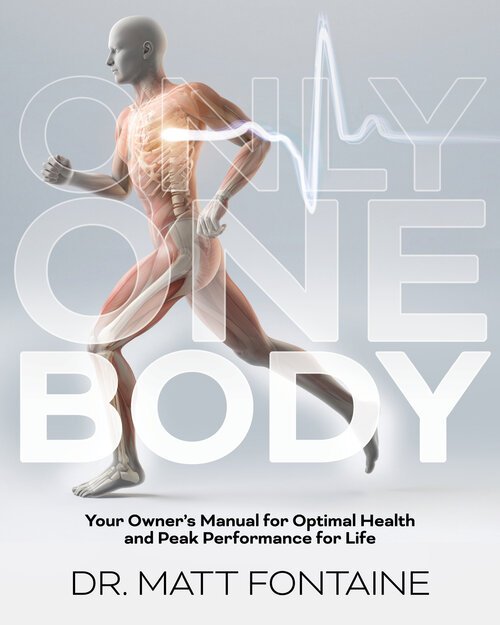
Dr. Matt Fontaine is a dedicated athlete and experienced sports chiropractor with over 24 years in the field. His integrative physical medicine practice emphasizes accurate diagnoses, rapid recovery, and peak performance. He has served as a sports chiropractor for Major League Baseball and the ART Ironman Triathlon Medical team. After completing his residency at the Texas Back Institute, he has spent more than a decade providing care to patients, including U.S. armed forces members and veterans. His upcoming book, Only One Body (Adjusted Inkworks, August 19, 2025), details his insights on health and longevity. Learn more at Dr. Matt Fontaine.