








Kombucha, an ancient fermented tea, has surged in popularity, enticing many with its tangy taste and promising health benefits. This beverage merges traditional medicinal practices with modern wellness trends, grounded in centuries of health traditions. We explore how kombucha integrates into contemporary lifestyles, from its brewing process to its myriad benefits.
The Rich History of Kombucha
To fully appreciate kombucha, it’s essential to understand its historical background. The drink’s journey spans continents and centuries, showcasing its timeless allure.
Ancient Beginnings in the East
Kombucha is believed to have originated in China during the Tsin Dynasty around 220 B.C., where it was revered as the “tea of immortality.” Its fermentation process transformed this drink into a nutritious tonic, providing sustenance for ancient populations. Over time, it spread along trade routes to Russia and Eastern Europe, each region adding its unique twist to the recipe.
Rediscovery in the West
The early 20th century saw kombucha gaining traction in the West, prompted by scientific studies highlighting its benefits. Today, it is recognized as a functional beverage that balances the healing properties of traditional teas with the enjoyment of delicious flavors, appealing to the modern health-conscious consumer.
Mastering the Art of Kombucha Brewing
The Brewing Process: Crafting kombucha involves a meticulous mix of science and artistry, resulting in unique flavors and numerous health benefits.
Key Ingredients and Equipment
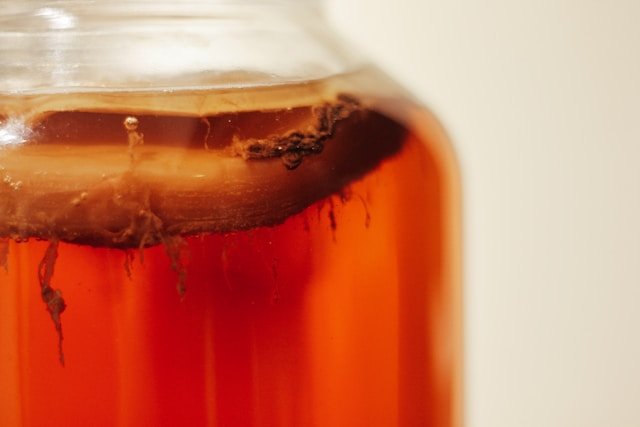
- SCOBY: A living culture of bacteria and yeast that ferments the tea.
- Tea: Typically black or green tea, which provides tannins and essential nutrients.
- Sugar: Necessary for feeding the SCOBY, facilitating the fermentation process.
- Fermentation Vessel: Glass jars are preferred for purity during fermentation.
The Brewing Method: Crafting Sparkling Goodness
- Tea Preparation: Brew tea, then sweeten and cool it before adding the SCOBY.
- Primary Fermentation: Allow the mixture to ferment for 1 to 10 days, resulting in a tangy, slightly alcoholic brew.
- Flavoring and Bottling: Add fruits, herbs, or spices for desired flavors before bottling for carbonation. This step showcases both systematic techniques and creative flexibility.
This brewing process blends precision with creativity, opening up endless customization possibilities.
Kombucha’s Nutritional Profile: A Powerhouse of Wellness
Kombucha offers more than delightful flavor; it’s packed with vitamins, minerals, and beneficial components thanks to its fermentation process.
Probiotics for Digestive Health
This beverage is rich in probiotics, which emerge during fermentation. These beneficial bacteria aid digestion, enhance nutrient absorption, and strengthen the immune system.
Vitamins and Antioxidants
Kombucha is a source of B vitamins and antioxidants, combating free radicals that can damage cells. Green tea-based kombucha is especially rich in catechins, known for their anti-inflammatory properties.
Organic Acids for Detoxification
Organic acids like acetic and gluconic acids assist in liver detoxification and support metabolic processes.
Kombucha in Contemporary Living: A Lifestyle Choice
The resurgence of kombucha in the 21st century highlights its adaptability to evolving consumer desires. It has transcended its status as a beverage to embody a lifestyle choice.
Integrating Kombucha into Wellness Trends
Kombucha has become a fixture in yoga studios and artisanal cafes, celebrated for its natural ingredients and probiotic benefits, appealing to health-conscious individuals seeking alternatives to traditional sugary drinks.
Culinary Innovations
From avant-garde chefs to creative mixologists, kombucha’s use in various recipes, from zesty salad dressings to refreshing cocktails, is on the rise, enhancing both sweet and savory dishes.
For those eager to experiment, a curated assortment of kombucha flavors offers endless creative potential.
Kombucha and Sustainability: An Eco-Friendly Choice
Kombucha stands out as a sustainable beverage option, with a brewing process that minimizes environmental impact, especially for those who choose to brew at home.
Homebrewing for Environmental Benefits
Brewing kombucha at home not only saves money but also reduces packaging waste. A single SCOBY can be reused multiple times, lowering one’s ecological footprint.
Composting for Circular Sustainability
Used tea leaves and SCOBYs can be composted, enriching soil and closing the loop on waste.
Selecting the Best Kombucha: A Buying Guide
With countless brands available, choosing the right kombucha can be challenging. Here are some tips to help you make informed decisions.
Key Considerations
- Ingredient Transparency: Opt for organic ingredients without artificial additives.
- Flavor Variety: Experiment with different fruity, spicy, and unique blends to discover your favorites.
- Live Cultures: Seek out unpasteurized kombucha to maximize probiotic benefits.
Exploring Online Options
Online retailers often offer a wide range of kombucha selections, providing convenient access to various flavors and styles.
Incorporating Kombucha into Daily Life
Kombucha is not just a drink—it’s a versatile ingredient that can enhance daily routines. Here are some ways to weave it into your lifestyle.
Morning Tonic
Start your day with a glass of kombucha for a refreshing boost of energy and digestion. Its slight acidity can help balance pH levels and promote metabolic activity.
Pre- and Post-Workout Drink
Kombucha serves as an excellent hydration option before or after workouts, offering natural sugars and electrolytes.
Kombucha Cocktails for Celebrations
Add a touch of class to social gatherings by incorporating kombucha as a non-alcoholic alternative or mixer for craft cocktails. Pair it with fresh fruits, herbs, and sparkling water for delightful combinations.
Kombucha Beyond the Hype: Debunking Misconceptions
Despite its widespread popularity, several misconceptions exist regarding kombucha’s safety and benefits. Clarifying these points helps foster a better understanding of this beverage.
Alcohol Content and Safety
The fermentation process yields trace amounts of alcohol, generally safe for all ages. Commercial brands comply with regulations to keep alcohol levels below 0.5%.
Sugar Content Myths
While sugar is a key ingredient for fermentation, much of it is consumed by the SCOBY, resulting in lower sugar content than sodas and other juices, making kombucha a healthier choice.
Conclusion
Kombucha represents a remarkable fusion of tradition and modernity, offering a flavorful and healthful beverage. From its ancient origins to its current resurgence, kombucha has continually evolved. Whether you’re drawn to its probiotic benefits, curious about home brewing, or eager to try new flavors, kombucha is accessible to everyone. Begin your journey with a variety of kombucha flavors and discover the vibrant world of this effervescent drink. It’s exciting to see how kombucha remains a companion for health-conscious individuals seeking enjoyment in every sip amidst a fast-changing world.