








Matcha gained widespread popularity around 2015, when independent cafés and coffee shops began offering the striking green beverage, celebrated for its numerous health benefits. Unlike fleeting fitness trends, matcha tea boasts a rich history rooted in Japanese culture. Here’s a closer look at why this age-old tea has become a global sensation.
What Is Matcha?
Matcha is derived from the finely ground leaves of the Camellia sinensis plant—the same shrub responsible for all traditional green teas. Its distinctiveness lies in its unique cultivation and processing methods.
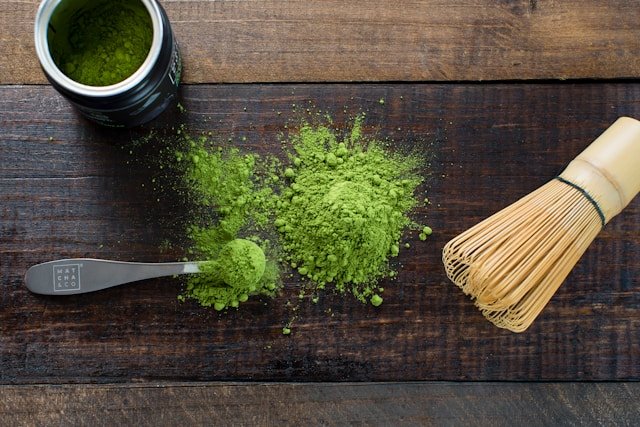
Prior to harvesting, matcha plants are shaded for several weeks. Only the youngest leaves are handpicked and quickly steamed to prevent oxidation, resulting in a higher concentration of chlorophyll and phytochemicals that contribute to its vivid green color. Traditional stone mills then grind the dried leaves into a fine powder. As you consume the entire leaf in powdered form, matcha provides a richer concentration of caffeine and antioxidants compared to steeped teas.
The roots of matcha’s global ascent date back to the 1110s when a Buddhist monk introduced tea seeds to Japan from China. This new shading technique enhanced the tea’s distinctive flavor and quality.
From Ceremonial Tea to Iced Lattes
Ceremonial matcha is prepared through a mindful process that follows one of two styles—usucha (thin tea) or koicha (thick tea). In traditional Japanese tea ceremonies, koicha is crafted using higher-grade ceremonial matcha, whereas culinary-grade matcha can lead to a bitter taste, making it unsuitable for these formal settings. As such, ceremonial-grade matcha, due to its price and quality, is generally reserved for special occasions. Usucha, being more accessible, is commonly used for casual gatherings.
A bamboo whisk, known as a chasen, is used to whisk the matcha into mineral water heated to approximately 175 degrees Fahrenheit, typically served in a rounded tea bowl called a chawan. Ceremonial-grade matcha is composed of the most tender tea leaves, lending it a naturally sweet and smooth flavor with minimal bitterness.
If you envision the trendy two-toned drink, you’re likely thinking of a matcha latte—a creamy blend of matcha powder, cold milk, and ice. This contemporary interpretation caters to modern tastes, especially for those who might find the grassiness of traditional matcha overwhelming. Nowadays, matcha is transformed into countless forms, often using culinary-grade matcha for a bolder flavor, found in smoothies, baked goods, salad dressings, and even popcorn.
Savoring Matcha Sustainably
Starbucks and various cafés have popularized these modern matcha beverages, making them widely available. However, this shift also has its environmental drawbacks.
Though matcha is a natural, plant-based product, many modern servings come in disposable cups with single-use straws and plastic lids, contributing to unsustainable waste. The U.S. alone discards around 50 billion coffee cups each year, with only a small fraction of paper recycling mills capable of processing the plastic-coated varieties. The convenience of enjoying your iced matcha latte often leads to significant environmental impact.
To enjoy matcha while being mindful of the planet, consider the following tips:
- Opt for reusable cups and straws when ordering iced matcha lattes.
- Brew it at home using a traditional bowl or a reusable mug.
- Choose cafés that provide compostable or biodegradable packaging.
- Purchase ceremonial or culinary-grade matcha in bulk to minimize packaging waste.
Some coffee shops have begun offering compostable single-use cups to help mitigate beverage waste. Unlike traditional paper cups lined with petroleum-based plastics, compostable options can be added to home compost and break down more easily, even in landfills.
The Growing Global Market for Matcha
The burgeoning interest in matcha is mirrored in the thriving global market, valued at approximately $4.3 billion in 2023, fueled by rising health awareness and a push for sustainable, plant-based diets. This market encompasses powdered, liquid, and ready-to-drink products, extending from traditional teas to various food items and even cosmetics.
Japan remains the leading producer and exporter of matcha, while countries like the U.S. and Canada are experiencing significant growth in consumption. Despite an impressive 185% increase in production from 2010 to 2023, a global shortage is on the horizon, as over half of the green powder is exported for both ceremonial and culinary purposes. Culinary-grade matcha is categorized into premium, café, ingredient, kitchen, and classic segments.
Understanding Matcha’s Health Benefits
Matcha’s surge in popularity is well justified. The catechins in matcha have been associated with lowering blood pressure and reducing levels of LDL, or bad cholesterol. Additionally, matcha contains L-theanine, an amino acid that promotes relaxation and alertness simultaneously, enabling you to focus without the jittery crash often linked to coffee.
For those seeking caffeine, matcha delivers about 38 to 176 milligrams per serving—more than your standard green tea but less than a cup of coffee. This gradual caffeine release offers a gentle, sustained energy boost, making matcha a preferred option for those aiming for calm concentration.
Where Tradition Meets Trend
Today, matcha is enjoyed in a multitude of forms beyond its original ceremonial use. What was once confined to sacred rituals is now embraced globally for its wellness benefits. As matcha continues to evolve, every sip pays homage to its rich heritage while serving as a nourishing elixir for the modern world.
Author Bio
Jane is an environmental writer and the founder and editor-in-chief of Environment.co, where she focuses on sustainability and eco-friendly living.