









Chronic back pain can significantly impact your daily life, affecting not only your work but also your emotional well-being. While surgery is often perceived as the only long-term solution, numerous non-invasive therapies can provide substantial relief. To achieve the best outcomes, it’s essential to develop a treatment plan tailored to your specific needs. Here are five effective ways to manage chronic back pain without resorting to surgery.
1. Strengthen Key Muscle Groups
A strong core is vital for stabilizing the spine, yet many people mistakenly believe that aggressive abdominal workouts can alleviate chronic back pain. In reality, focusing on deep stabilizing muscles through slow and controlled exercises can promote healing. Consider incorporating movements like the bird dog, modified plank, and glute bridge, which support spinal alignment without unnecessary strain. For those who spend long hours sitting, strengthening the hips and glutes can prevent lower back muscles from becoming overworked, thus alleviating pain.
2. Explore Comprehensive, Multi-modal Treatment
A multi-disciplinary approach addresses various pain sources simultaneously using physical therapy, manual therapy, behavioral strategies, and targeted treatments. This approach is especially beneficial for individuals with complex issues such as disc degeneration or recurring pain. If you’re in Arizona, consider seeking integrative pain management in Tempe, which offers a harmonious blend of conventional medical care and natural therapies. Local clinics often provide a variety of therapeutic injections, guided exercises, and mind-body techniques to support a fulfilling life despite ongoing pain.
3. Try Movement-Based Therapies
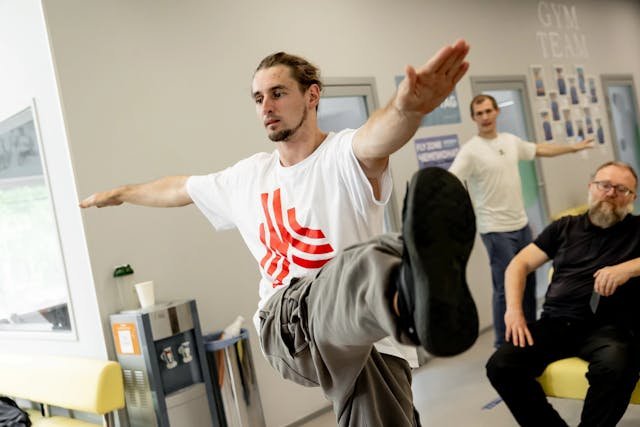
Practices such as Pilates, clinical yoga, and tai chi do more than stretch the muscles; they enhance movement control, posture, and spinal awareness. Over time, these activities help maintain natural alignment during daily tasks. This is particularly helpful for those whose pain is exacerbated by stress. By focusing on breath and allowing for mindful movement, you can teach your nervous system to relax and relieve tension around the spine. Regular practice of these techniques aids in preventing muscle guarding and pain recurrence.
4. Optimize Daily Ergonomics
Many individuals underestimate how their workspace contributes to back pain. Prolonged poor posture while sitting in front of a computer can place excessive strain on the spine. However, improvements in ergonomics can alleviate discomfort without requiring major changes. Small adjustments, such as chair height, monitor positioning, or using lumbar roll support, can have a significant impact. Remember to take short breaks to stand or walk every 30 to 45 minutes to maintain better posture and relieve accumulated micro-stresses that contribute to chronic pain.
5. Tackle Lifestyle Factors
Factors such as sleep quality, stress levels, and nutritional deficiencies can hinder long-term pain relief. Incorporating practices like guided breathing exercises, brief meditations, and nature walks can significantly reduce stress and, in turn, pain. Additionally, being overweight can strain the supportive structures of the spine. Transitioning to a diet rich in whole foods may aid in weight loss, while gradually increasing low-impact physical activity can help reduce inflammation. Even small lifestyle changes can enhance your comfort level over time.
Final Thoughts
Combining physical conditioning, mindful lifestyle choices, and targeted professional support opens up new avenues for managing chronic back pain without surgery. A holistic approach to pain can provide the healing support your spine needs to function comfortably. With dedicated effort, you can achieve improved mobility, fewer flare-ups, and a more active lifestyle.