









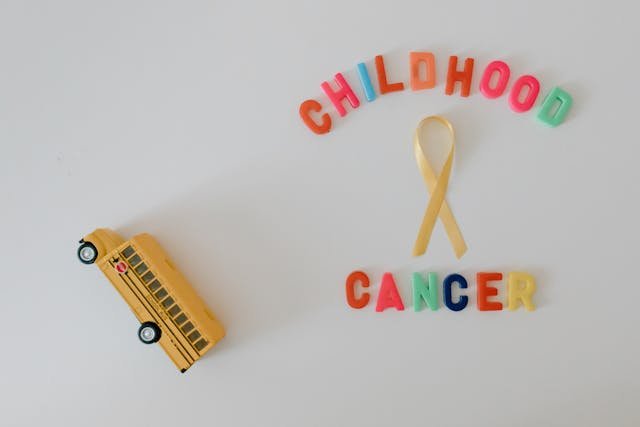
The diagnosis of cancer in a child brings an abrupt and profound change to the entire family. In such critical times, the most effective way to aid families impacted by childhood cancer is by connecting them with resources that provide emotional support, financial assistance, and a strong sense of community.
Understanding Childhood Cancer
Childhood cancer affects more than just the young patient; it alters the dynamics of parents, siblings, and entire communities. Families are thrust into a whirlwind of unexpected hospitalizations, complex medical language, and lengthy treatment regimens that can last for months or even years. Many parents are forced to cut back on work hours or leave their jobs entirely to care for their child, creating financial strain in addition to emotional fatigue. Meanwhile, siblings often feel scared, neglected, or unsure of how to articulate their feelings.
Practical challenges further complicate their situation. Travel to specialized treatment facilities, increasing medical expenses, and the struggle to maintain any semblance of normal life at home add significant stress. Routines change, relationships are tested, and families find themselves increasingly dependent on the help of strangers, nonprofits, and hospital staff. This underscores the importance of accessible and compassionate resources.
How Can We Best Support Families Affected by Childhood Cancer?
When faced with a cancer diagnosis, families encounter a landscape filled with uncertainty, fear, and tough decisions. Here are some of the most valuable resources available to assist families during this challenging time.
THON

THON is one of the world’s largest student-run philanthropic organizations, dedicated to offering emotional and financial support to families navigating pediatric cancer. What sets THON apart is its focus on relationship-building; families are connected with student groups that provide continuous support throughout treatment and beyond, forging a caring and consistent network.
In addition to addressing emotional needs, THON’s fundraising initiatives directly benefit the Four Diamonds Fund, which helps offset medical expenses and supports research at Penn State Health Children’s Hospital. For many families, this assistance alleviates a significant burden, enabling them to concentrate on caring for their child. THON exemplifies how organized community efforts can effectively support families affected by childhood cancer.
Key features:
- Continuous family support through student groups
- Financial aid covering treatment and uncovered medical costs
- A vibrant community centered around a 46-hour dance marathon
- 16,500 student volunteers assisting 4,800 families
Ronald McDonald House Charities (RMHC)

Ronald McDonald House Charities offers a “home away from home” for families traveling for their child’s treatment. This service alleviates financial burden and emotional stress by keeping parents close to their child without incurring the high costs of hotels and transportation. Proximity to the hospital empowers families to remain actively involved in care decisions.
RMHC also extends its reach through Ronald McDonald Family Rooms within hospitals, providing parents with a space to rest, recharge, and enjoy a warm meal just steps from their child’s bedside. The stability RMHC offers during treatment’s unpredictability can be life-changing for families.
Key features:
- Free or low-cost accommodations near major children’s hospitals
- In-hospital family rooms for rest and respite
- Support services including meals, transportation, and activities
- A global network serving millions of families annually
St. Jude Children’s Research Hospital

St. Jude is renowned for its pioneering treatment and research focused on childhood cancer. Families are never billed for treatment, travel, housing, or meals, effectively removing financial hurdles that can prevent access to lifesaving care. This model positions St. Jude as one of the foremost resources available to support families dealing with childhood cancer on a national level.
Beyond providing direct medical care, St. Jude makes its research openly available to the international scientific community. Every advancement, new protocol, and enhanced survival rate benefits children globally. Additionally, families receive emotional and psychological assistance throughout their journeys, which includes counseling, peer support groups, and educational resources.
Key features:
- Comprehensive care without financial burden
- Leading-edge research in pediatric cancer
- Programs offering family support, including counseling and education
- Global influence through shared research advances
Evaluating the Best Resources for Families Affected by Childhood Cancer
Before making a decision, it is beneficial to compare how major organizations address the challenges faced by families in this situation.
| Resource | Primary Focus | Cost to Families | Strengths |
| THON | Emotional support and fundraising for treatment and research | Free | Long-term family relationships, significant fundraising efforts, community-driven initiatives |
| Ronald McDonald House Charities | Housing and practical support near treatment facilities | Free to low-cost | Accommodations, meals, family rooms, global presence |
| St. Jude Children’s Research Hospital | Medical treatment and research | Free | World-class medical care, no financial barriers, groundbreaking research shared globally |
Supporting Families Through Difficult Times
Assisting families facing childhood cancer requires compassion, resources, and a solid support network. The most effective way to help families impacted by childhood cancer is to ensure that no parent or child has to face this journey alone. By directing families toward these trustworthy organizations, they can discover hope, stability, and resilience.