









Approximately 33 million people in the United States have food allergies, which accounts for around 5.8% of children and 1 in 10 adults. Alarmingly, more than half of adults with food allergies have suffered a severe allergic reaction.
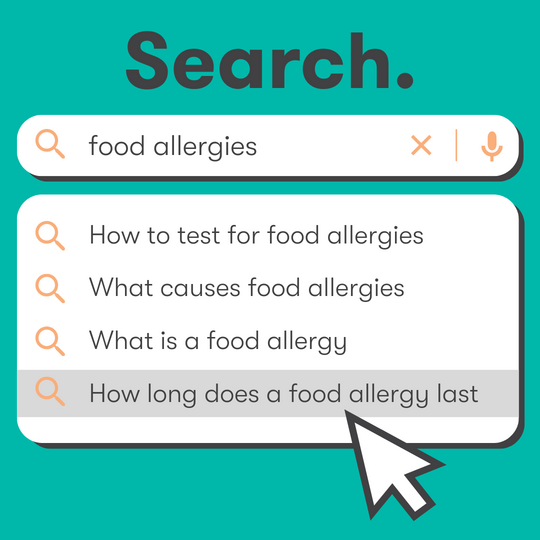
Given the widespread nature of food allergies in the US, it’s no surprise that many people resort to search engines with numerous questions. Unfortunately, the wealth of information available online can be confusing or contradictory, leaving individuals struggling to find clear answers.
To clarify some common concerns, Dr. Gill Hart, a biochemist with a specialization in food allergies and sensitivities, has addressed 12 of the most frequently searched food allergy queries in the USA.
Who Is Dr. Gill Hart?
Dr. Gill Hart is a leading biochemist and the Scientific Director at YorkTest, a company that provides at-home food allergy and sensitivity testing. With over three decades of experience in her field, she has dedicated her career to developing and validating unique diagnostic tests for both healthcare providers and consumers.
Since joining YorkTest in 2005, she has played a crucial role in transforming the company into a prominent resource for helping countless individuals in the US and UK identify their food allergies and sensitivities.
What Are the Most Commonly Asked Questions Based on Search Volume?
The most frequently asked question is “How to test for food allergies,” which receives approximately 1,000 searches monthly, though it’s not even framed as a traditional question!
Question 1: How To Test For Food Allergies?
Monthly Search Volume: About 1,000
Dr. Hart’s Answer:
“Testing for food allergies can take several forms. An allergy specialist may perform a skin prick test or an oral food challenge test, both requiring medical supervision. Blood tests are also available, which can be conducted using either a small finger-prick sample or a larger blood draw from a vein.”
Question 2: What Causes Food Allergies?
Monthly Search Volume: About 800
Dr. Hart’s Answer:
“Food allergies are triggered by an exaggerated response from the immune system, which can put the body into shock. Reactions can vary from mild to severe, with severe responses being classified as anaphylaxis—an acute and life-threatening reaction.
“The immune system is designed to fight infections using antibodies to maintain health. IgE (immunoglobulin E) is the antibody that misidentifies food proteins as threats, leading to the release of pharmacological immune mediators. These mediators are responsible for allergy symptoms such as airway constriction, swelling, and chest tightness. Blood tests for food allergies measure the levels of IgE antibodies.”
Question 3: What Is A Food Allergy?
Monthly Search Volume: About 700
Dr. Hart’s Answer:
“A food allergy is an immediate and potentially fatal response to a food item. When the immune system is triggered, the body mistakenly prepares to combat a food that is otherwise safe to consume, leading to serious consequences.”
Question 4: How Long Does A Food Allergy Last?
Monthly Search Volume: About 700
Dr. Hart’s Answer:
“Food allergies frequently develop during childhood but can also emerge in adulthood. Once established in adulthood, these allergies typically persist for life, necessitating continued avoidance of the trigger food.”
Question 5: What Does A Food Allergy Rash Look Like?
Monthly Search Volume: About 600
Dr. Hart’s Answer:
“A food allergy rash is commonly red, raised, bumpy, and intensely itchy. If the allergic food is ingested, the rash may appear on any body part that came into contact with the allergen, including the lips, tongue, throat, and hands or arms if the food was touched. The inflammation that leads to this rash can result in significant swelling.”
Question 6: What Is The Most Common Food Allergy?
Monthly Search Volume: About 350
Dr. Hart’s Answer:
“While over 170 different foods can trigger allergic reactions, there are 9 key food allergies to be particularly cautious of: peanuts, tree nuts, wheat, milk, eggs, fish, shellfish (both crustaceans and mollusks), sesame, and soy.”
Question 7: How Long Do Food Allergy Symptoms Last?
Monthly Search Volume: About 200
Dr. Hart’s Answer:
“Once you stop consuming the food that triggers the allergy, symptoms might last anywhere from a few hours to a couple of days. In cases of severe reactions, symptoms will persist unless treated urgently.”
Question 8: What’s The Difference Between A Food Allergy And A Food Intolerance?
Monthly Search Volume: About 200
Dr. Hart’s Answer:
“Food allergies provoke an immediate response upon exposure, potentially causing life-threatening reactions. In contrast, food intolerances or sensitivities develop gradually (over hours or days) and generally result in chronic conditions like digestive issues, IBS, headaches, migraines, eczema, and fatigue. They are not life-threatening.”
Question 9: How To Get Rid Of Food Allergies?
Monthly Search Volume: About 150
Dr. Hart’s Answer:
“In some cases, allergies in children may become less severe as they age. However, there is generally no cure for food allergies. The key is to avoid foods that trigger a reaction.”
Question 10: How Long Does It Take For A Food Allergy To Show Up?
Monthly Search Volume: About 150
Dr. Hart’s Answer:
“Symptoms of a food allergy can emerge within minutes, necessitating immediate action to alleviate symptoms. Occasionally, initial symptoms may fade, followed by a second wave of symptoms 1 to 4 hours later, known as a biphasic reaction.”
Question 11: Why Are Food Allergies More Common Now?
Monthly Search Volume: About 100
Dr. Hart’s Answer:
“While there are various theories regarding the rise in food allergies, I believe it is closely related to the condition of our gut; approximately 70% of our immune system resides there.
“Modern dietary habits and the types of foods we consume are vastly different from those of the past. One theory suggests that reduced exposure to microbes and infectious agents in childhood may cause the body to overreact to typically harmless proteins, leading to allergies.”
Question 12: What Are The Symptoms Of Food Allergies?
Monthly Search Volume: About 100
Dr. Hart’s Answer:
“When a person with a food allergy eats a trigger food, symptoms can manifest within minutes, including swelling of the lips, face, or eyes, itchy skin, and a raised red rash. They may experience vomiting, stomach pain, or diarrhea. Difficulty breathing, dizziness, weakness, and a general sense of impending doom may also occur. Symptoms can escalate rapidly, necessitating medical intervention.”
Final Thoughts
Navigating the complexities of food allergies can be daunting, but being informed is a significant step forward. Whether you’re managing food allergies yourself or supporting someone who is, it’s essential to remember that you’re not alone—millions share your experience. By staying educated and taking appropriate precautions, you can effectively manage your allergies while focusing on what truly matters.
For additional guidance on handling allergies and sensitivities, explore the YorkTest blog for expert insights into understanding your symptoms.