









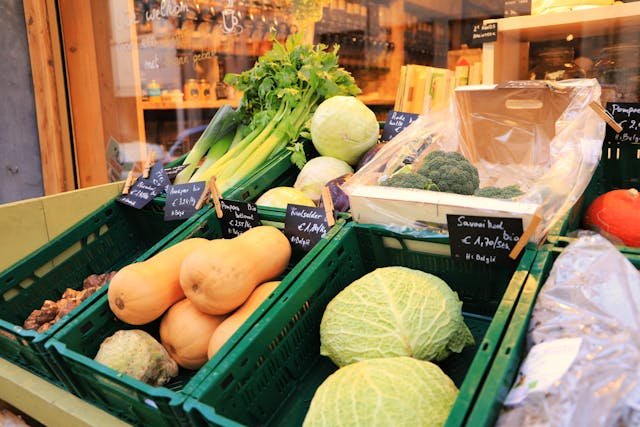
As we enter 2024, it’s clear that this year has presented both challenges and opportunities for farmers and farm shops alike. A pivotal moment was the October budget announcement, which triggered a wave of disappointment and anger within the agricultural community.
Despite various obstacles, farmers and farm shops can seize numerous opportunities this year. Let’s examine some of these prospects and explore how they can be effectively addressed.
Opportunities
Increasing Consumer Demand
There is a growing appetite among consumers for specific types of food, even amidst inflation and rising living costs. More people are seeking transparency about the origins and contents of their food, and farm shops are ideally positioned to provide this level of traceability.
Diversification of Offerings
Farm shops are not limited to selling locally grown food; they can expand their offerings to include services, products, and experiences. Hosting demonstrations, workshops, or farm tours can diversify revenue streams and reduce vulnerability to market fluctuations.
Online and Omnichannel Sales
By establishing a robust online presence, farm shops can transcend geographical limitations and sell through multiple channels, boosting sales and improving operational efficiency.
Community Engagement
A farm should not only be about food production but also about building connections within the community. Collaborating with local producers can enhance the selection of goods in your shop and strengthen local networks.
Sustainability and Ethical Practices
Farm shops have the opportunity to meet the increasing demand for eco-friendly products by minimizing food miles. Today’s consumers prefer sustainable practices, and farms can contribute meaningfully to environmental solutions.
Challenges
Rising Costs
The agricultural sector is fraught with uncertainty, as fluctuating input costs can significantly affect profit margins. Innovative approaches, such as operating from a shipping container instead of a fixed structure, may help mitigate these challenges.
Intense Competition
The food retail market is highly competitive. Supermarkets often provide similar products at lower prices and greater convenience. To remain viable, farm shops must emphasize quality and unique offerings.
Labor Shortages
Staffing a farm shop can be particularly challenging in rural areas, where the talent pool may be limited. Implementing effective onboarding and training programs is crucial to ensure a capable workforce.
Seasonal Variations
Demand and supply dynamics will shift throughout the year, presenting both exciting opportunities and challenges for farm shops.
Regulatory Compliance
Farm shops are subject to numerous regulations concerning food safety, environmental impact, and labor standards, which can add to operational costs.
Focus Areas for Success
For farm shops to thrive in 2024, a well-rounded strategy should encompass several key elements.
Customer experience must be a top priority; potential visitors will seek something distinctive that sets your shop apart.
Product quality is essential, with offerings that should be unique and preferred by locals over less expensive supermarket alternatives.
Effective marketing strategies should integrate both digital and traditional channels, while word-of-mouth can prove invaluable for attracting customers.
Managing costs is equally important; optimizing expenses will be critical, especially during lean periods.
Lastly, prioritizing sustainability is vital. Consumers today are increasingly drawn to businesses that align with their values. By visibly committing to sustainable practices, farm shops can attract this environmentally conscious demographic.