









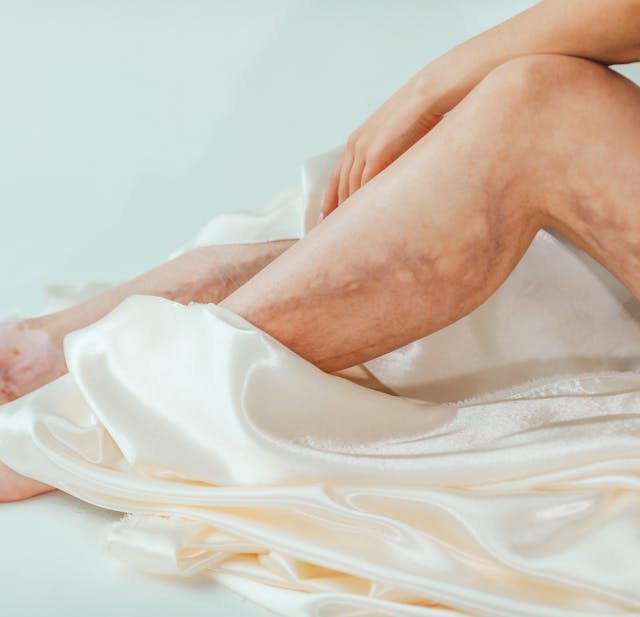
Varicose veins are a prevalent issue that affects many individuals, regardless of gender. These enlarged veins can lead to discomfort, pain, or itching, often resulting in self-consciousness. Traditional vein stripping methods were not only invasive but also associated with significant pain and lengthy recovery periods. Fortunately, advancements in medical technology have transformed treatment options, making procedures like sclerotherapy faster, more effective, and significantly more comfortable.
Understanding Sclerotherapy
Approximately 20% of adults in the United States are affected by varicose veins, with many considering sclerotherapy as a viable treatment option. This quick, outpatient procedure typically lasts less than an hour and involves a doctor injecting a special solution directly into the affected vein.
Once injected, the vein develops scar tissue and collapses, redirecting blood flow through healthier veins. The treated vein gradually breaks down and is reabsorbed by the body, eventually disappearing. Some patients may require two or three sessions, but each treatment is minimally invasive.
Innovative Ultrasound-Guided Foam Sclerotherapy
Sclerotherapy techniques are continuously improving; some clinics, including Central Florida Vein and Vascular Center, now provide ultrasound-guided foam sclerotherapy.
This method utilizes real-time ultrasound imaging to locate and treat deeper veins, primarily in the legs. A foam solution relocates blood into healthier vessels, ensuring effective treatment of the vein walls.
The sclerosants used in this procedure are also advancing. New options, such as Varithena, are designed to minimize side effects, including headaches or visual distortions.
Evaluating the Safety and Efficacy of Sclerotherapy
As a minimally invasive procedure, sclerotherapy is suitable for most individuals dealing with varicose or spider veins. It boasts a success rate between 80% and 90%, making it one of the most effective treatments available. While generally safe for most, it is not recommended during pregnancy.
The best way to determine if you are a suitable candidate for sclerotherapy is to consult a specialist. An initial venous reflex test, a quick and painless ultrasound study, will assess the level of venous insufficiency contributing to your varicose veins and help your doctor recommend the best treatment plan.
What to Anticipate Before, During, and After the Procedure
In the two to three days leading up to your treatment, it is advised to avoid medications like ibuprofen and other anti-inflammatory drugs, as well as antibiotics and any dietary or herbal supplements. Refrain from shaving or applying lotion to the targeted area.
During your appointment, the clinician will disinfect the area, followed by the physician injecting the solution into the vein. For deeper veins, ultrasound technology may be used to guide the injection, while visual inspection is often sufficient for surface veins. Overall, the procedure lasts about 30 minutes to an hour, and most patients feel only a mild prick from the needle.
After the procedure, it’s important to avoid hot baths or showers, intense exercise, and applying lotion for a duration of 48 hours. Refrain from taking anti-inflammatory medications during this period. Your doctor may suggest wearing compression stockings for a couple of weeks to help minimize swelling.
Post-treatment, patients may experience mild pain, itching, or swelling at the injection site, which typically subsides quickly. Bruising or skin discoloration may occur, lasting for some time, and some individuals may have transient headaches or visual disturbances. Serious complications are uncommon, but it’s crucial to seek medical guidance if you have any concerns.
Finding the Best Varicose Vein Treatment in Orlando
Your treatment options in Orlando will depend on your specific diagnosis and the facilities available at your chosen clinic. The experience and expertise of the physician are vital. Be sure to carefully check the credentials of any venous treatment center you consider.
Dr. Horowitz, the founder of Central Florida Vein and Vascular Center, is one of only a few hundred physicians in the nation to hold Diplomate status with the American Board of Venous and Lymphatic Medicine, establishing him as a leading expert in this area.
This center provides various treatment options, including:
- Sclerotherapy
- Ultrasound-guided foam sclerotherapy
- Endovenous laser treatment (EVLT)
- Venaseal therapy
- Microphlebectomy
After an initial consultation and diagnostic ultrasound examination, your physician will determine the most suitable treatment plan for you.
With four convenient locations and an outstanding reputation for patient care and follow-up, the Central Florida Vein and Vascular Center stands out as a leader in the field of vein care.
Frequently Asked Questions About Sclerotherapy
It’s natural to have many questions regarding any medical procedure. Below are some of the most common inquiries:
How Many Treatments Will I Require?
The number of treatments needed depends on the quantity and size of the veins being addressed. Some veins may resolve after just one session, especially with the use of ultrasound-guided foam sclerotherapy, while others may necessitate two to three sessions spaced several weeks apart.
Are the Results of Sclerotherapy Long-Lasting?
Typically, the treated vein does not return. However, new varicose veins may develop over time. If venous insufficiency persists, your doctor can provide advice on lifestyle changes to minimize the chances of recurrence.
What Is the Difference Between Sclerotherapy and EVLT?
While both procedures treat varicose veins, they employ different methods. Sclerotherapy utilizes a chemical agent to close the vein, whereas EVLT employs laser heat. Specialists at Central Florida Vein and Vascular Center may use both methods, often following EVLT with sclerotherapy to achieve comprehensive results.
Will My Insurance Cover Varicose Vein Treatment?
Insurance coverage can vary, so it’s essential to review your policy for specifics. However, venous insufficiency, the underlying cause of varicose veins, is a progressive medical condition and often covered by insurance. The associated diagnostic tests are almost always covered, and many private healthcare providers will also cover treatment after diagnosis, although they may require first attempting conservative treatments like compression stockings.
Your Guided Path to Vein Health
Modern treatments for varicose veins have significantly evolved from the invasive options of the past. Approaches like sclerotherapy and ultrasound-guided foam sclerotherapy provide minimally invasive and largely painless solutions with impressive success rates. If you’re considering treatment, the most critical factor is selecting a dedicated specialist. Schedule a consultation with a board-certified physician at a specialized vein center and take the first step toward healthier legs.