








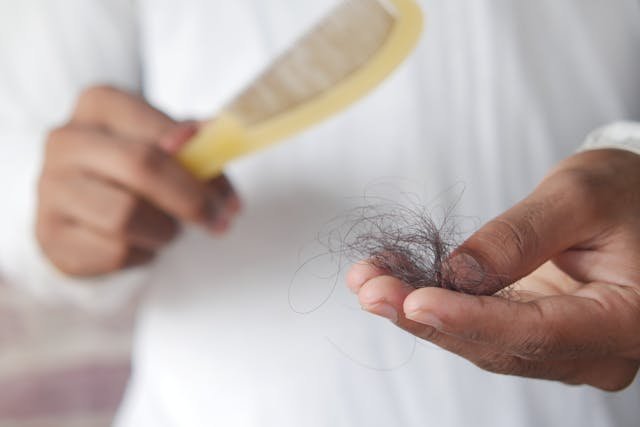
Noticing thinning hair can be a gradual ordeal. One moment, your locks feel vibrant and full, and the next, the shower drain tells a different story. For some, genetics is the primary factor, while others battle a combination of lifestyle, stress, and environmental influences. No matter the cause, witnessing your hairline recede or your part widen can feel daunting. The silver lining? Thinning hair doesn’t have to dictate your appearance or your self-esteem. Let’s delve into the reasons behind it and explore practical steps to achieve thicker, healthier hair.
Understanding the Causes: It’s Not Just in Your Head
Let’s start with the “why.” Genetic factors play a pivotal role in hair thinning, particularly through conditions like androgenetic alopecia (hereditary hair loss). However, genetics aren’t the only causes. Mental and physical stress can disrupt the hair growth cycle, resulting in increased shedding. Hormonal fluctuations, whether from pregnancy, menopause, or changes in birth control, can also significantly affect your hair’s health.
Don’t underestimate the impact of your diet. If your meals lack essential nutrients and lean more towards convenience over nutrition, your hair may suffer. Key vitamins and minerals like iron, biotin, and zinc are crucial for strong and healthy strands. Neglecting these can lead to weak, brittle hair that is more vulnerable to breakage, especially when combined with excessive styling, heat treatment, and harsh chemical processes.
Everyday Habits That Harm Your Hair
The hard truth is that many of us treat our hair as if it’s invulnerable. Daily practices like frequent heat styling, tight hairstyles, and inadequate scalp care can inflict more damage than anticipated. Even your washing and drying techniques matter; using hot water, rough towel drying, and inappropriate hair products can contribute to hair breakage.
Your scalp deserves attention as well. If neglected or overloaded with products, it can become clogged, hindering hair growth. Chronic stress is another culprit; elevated cortisol can disrupt the hair growth cycle, leading to increased shedding. So if you’re concerned about thinning hair after a stressful time, this could be the explanation.
Addressing the Issue from the Scalp Up
To combat thinning hair effectively, start at the root—your scalp. Choosing a shampoo designed for thinning hair can make a real difference. The right formula cleanses and nourishes your scalp while strengthening hair follicles to promote healthy growth. Look for ingredients such as keratin, biotin, or niacin, and steer clear of products that strip away natural oils—no one wants a dry, irritated scalp.
Patience is essential. Transitioning to a shampoo tailored for thinning hair won’t yield instant results, but over time, you should notice improvements in both your scalp’s health and your hair’s appearance. And while you’re at it, don’t forget to indulge in a scalp massage—it feels great and enhances blood flow to your follicles, providing them with extra care.
Why Scalp Care is Crucial
Think of your scalp as the bedrock for your hair. Without a healthy foundation, your hair can’t thrive. An oily, flaky, or irritated scalp can inhibit growth and exacerbate thinning. That’s why scalp care isn’t just a trend; it’s a fundamental aspect of maintaining healthy hair.
Exfoliating your scalp might seem excessive, but it’s truly beneficial. Over time, dead skin cells, product buildup, and excess oils can clog hair follicles, slowing growth and leading to thinner hair. Utilizing a good scalp scrub or treatment can help clear the path for new growth. Additionally, just as your skin needs hydration, so does your scalp. Lightly applying nourishing oils like argan or jojoba can make a significant difference.
Nourishment: Fueling Your Hair from Within
Your hair is primarily composed of protein, so a protein-deficient diet will inevitably show on your strands. However, protein isn’t the only nutrient necessary for healthy hair. Iron is vital for oxygen transportation to hair follicles, biotin supports keratin strength, omega-3 fatty acids maintain scalp hydration, and zinc plays a critical role in repair and growth.
If supplements aren’t your thing, you can obtain these essential nutrients from your diet. Foods like eggs, salmon, spinach, nuts, and seeds provide a treasure trove of nutrients. If you follow a vegan or vegetarian lifestyle, there are plenty of plant-based options available as well—just ensure you maintain a balanced diet because nutrition that benefits your body typically also supports your hair.
Reduce Stress, Promote Growth
This might sound overly simple, but managing your stress levels can directly influence your hair health. Chronic stress may cause hair follicles to enter a resting phase, leading to halted growth and eventual hair loss. If you suspect that stress is contributing to your thinning hair, prioritizing self-care is crucial.
Engaging in activities like meditation, exercising regularly, and taking short breaks during your day can help lower cortisol levels and enhance your overall health. While lessening stress won’t instantly restore lost hair, it can help prevent further thinning and foster a healthier environment for new growth. Think of it as giving your hair a fighting chance.
Embracing Your Hair Journey
Thinning hair isn’t the end of the world or your good hair days. By addressing core issues, making minor habit adjustments, and focusing on both scalp and hair health, you can pave the way for stronger, fuller hair. Consistency and dedication are key, and while results may take time, the benefits are worthwhile.
Remember, your hair is a part of your narrative, but it doesn’t define you. Nurture it, but don’t let it dictate your self-worth. True confidence comes from within, and it extends far beyond your hairstyle.