









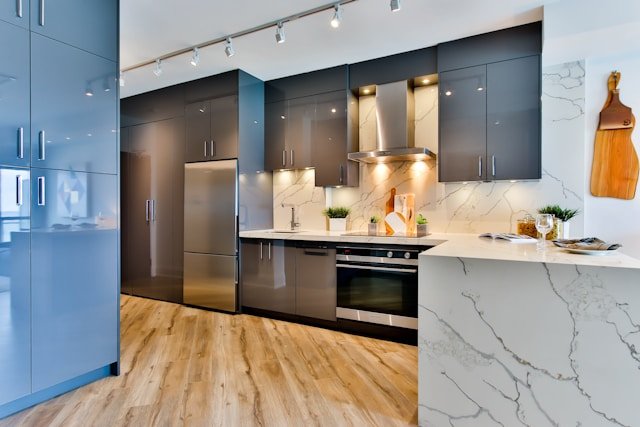
Revamping your kitchen can be one of the most fulfilling home improvements, yet it also presents a host of challenges. From layout to lighting, materials, and finishes, the choices you make are countless. Even minor oversights can alter your kitchen’s appearance, comfort, and functionality for years.
The silver lining is that many common kitchen design pitfalls can be completely avoided with a bit of planning and expertise.
Whether you’re collaborating with a home remodeling firm or undertaking some changes yourself, here are seven kitchen design errors that are surprisingly simple to prevent, along with tips to get it right from the get-go.
1. Neglecting The Work Triangle
The efficiency of your kitchen relies significantly on its layout. The “work triangle,” formed by the sink, stove, and refrigerator, should facilitate smooth movement between these critical areas. If this triangle is excessively compact or too spaced out, cooking can become a cumbersome task.
How to Avoid It
Maintain a clear and proportional triangle. Avoid positioning obstacles like islands or bulky furniture within this space. A skilled kitchen remodeling team can help you visualize the functional flow of your layout, especially in high-utilization zones like preparation and cleaning areas.
2. Favoring Style Over Storage
While open shelving, sleek cabinetry, and minimalistic designs may look stunning in pictures, kitchens are functional areas that need adequate storage solutions. Without careful planning, a beautifully designed kitchen can quickly become cluttered and unwieldy.
How to Avoid It
Strike a balance between aesthetics and functionality. Combine open shelves with closed cabinetry and optimize vertical storage using full-height cabinets or custom pantry options. Assess your daily needs: where will your mixer, spices, and trash bin be located?
Your kitchen should be both visually appealing and highly functional behind the scenes.
3. Insufficient Lighting Planning
One ceiling fixture is generally inadequate for modern kitchens. Shadows over preparation spaces and poorly illuminated corners can make even the most beautiful kitchens feel dim and impractical.
How to Avoid It
Plan your lighting in layers. Start with ambient lighting for overall illumination, add task lighting beneath cabinets and above islands, and incorporate accent lighting to showcase architectural details or artwork.
Collaborate with your remodeling team early on to incorporate your lighting designs into the overall electrical layout.
4. Inadequate Electrical Planning
Outlets are often an afterthought until you find yourself needing one – and then it may be too late. Poor planning could lead to visible cords across countertops or an inability to plug in appliances where they’re needed most.
How to Avoid It
Anticipate needing more outlets than you originally think and place them thoughtfully. Ideal locations include islands, coffee stations, and within appliance garages. Also, consider adding USB ports and under-cabinet outlets for a streamlined look and modern convenience.
Ensure compliance with local building codes, particularly in older homes being remodeled.
5. Selecting Inappropriate Materials for Your Lifestyle
Materials that look stunning in a showroom may not endure everyday wear and tear. For example, while marble presents an elegant look, it may be prone to etching, and glossy cabinets can easily show fingerprints in a busy home.
How to Avoid It
Opt for materials that complement your lifestyle. Quartz countertops offer durability and low maintenance, while engineered wood or porcelain tile flooring is resilient against heavy foot traffic. A professional remodeling team can guide you through the benefits and drawbacks of different materials so you choose wisely.
6. Overlooking Ventilation
Effective ventilation is crucial yet frequently ignored in kitchen remodels. Inadequate ventilation can lead to lingering cooking odors, moisture buildup, and compromised air quality, especially in open-concept homes.
This issue affects comfort, health, and maintenance. A report from The Guardian revealed that nitrogen dioxide levels in kitchens using gas stoves can be three to twelve times higher than outdoor levels, with elevated concentrations persisting for hours post-cooking.
How to Avoid It
Install a high-quality range hood that vents outdoors. Ensure it is appropriately sized for your stove and integrates seamlessly into your kitchen design. While ductless or recirculating fans may seem attractive, they typically do not perform as effectively as direct-vent systems.
7. Overlooking Workflow and Zoning
A well-designed kitchen focuses not just on aesthetics but also on functionality. Failing to establish zones for preparation, cooking, cleaning, and storage can result in a disorganized flow and constant backtracking.
How to Avoid It
Think in terms of zones. Position trash and recycling bins near the preparation area, keep utensils close to the stove, and store dishes near the dishwasher for effortless unloading. If you frequently entertain, consider adding a beverage station or secondary prep area.
A competent home remodeling company will assist in mapping out your kitchen based on your actual usage patterns, rather than just how it will appear in photographs.
Merging Style and Functionality
A successful kitchen renovation harmonizes aesthetics with day-to-day practicality. Although it’s easy to get swept away by the latest design trends, the true value lies in thoughtful design that accommodates your lifestyle.
By steering clear of these seven common kitchen design mistakes, you’ll create a space that is both functional and visually delightful. Partnering with a reliable remodeling expert can further streamline the process, helping you get everything right the first time.