









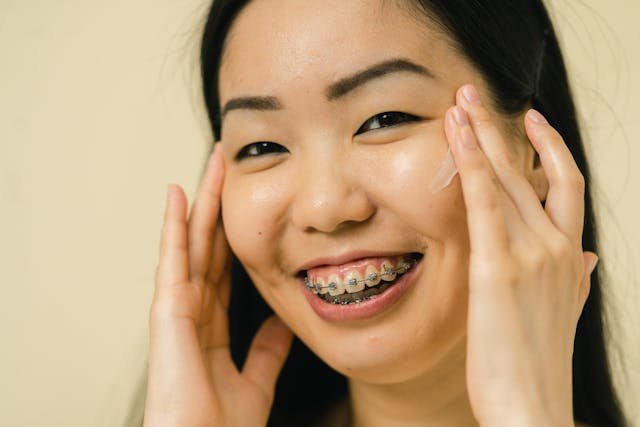
Considering straightening your teeth but held back by concerns about eating or appearance? Good news! Many myths surrounding adult braces have been dispelled by dental professionals. Here are some common misconceptions about adult braces and the truth behind them.
1. You’re Too Old for Braces
If you were to travel back to the 1970s or 80s, you might find that many accepted this myth as truth. While braces were primarily seen on teenagers back then, times have changed. Today, orthodontists treat one out of every three patients as adults seeking treatment.
2. Eating Normally Is Difficult with Braces
If adults with braces struggled to eat, you’d see greater numbers complaining about it. In fact, even children manage to eat well after getting used to their braces. While an adjustment period is normal, your eating habits will return to normal. However, it is wise to avoid hard, chewy, crunchy, and acidic foods while wearing braces.
3. Braces Are Only for Looks
While achieving a confident smile can boost happiness, the purpose of adult braces goes far beyond aesthetics. Many adults seek orthodontic treatment to address misalignment or damage that can lead to gum disease and difficulties in chewing. Rather than hindering your ability to enjoy food, braces aid in restoring normal function.
4. Braces Look Unflattering on Adults
Looking back 40 years, braces had a much different design. Kids back then often faced confidence issues due to the bulkiness of their braces. Today, advancements have led to the creation of smaller, sleeker options such as clear aligners and ceramic brackets, making them much less noticeable and easier to wear.
5. Braces Set Off Metal Detectors
Even if your braces contain metal components, modern orthodontic materials are made from medical-grade stainless steel alloys, which do not trigger metal detectors, including those at airports, according to the Jacksonville University School of Orthodontics in 2012.
With non-metal options available as well, travel with braces is much easier than you may think.
6. No Need for Adult Braces If You Had Treatment as a Child
While childhood orthodontic care lays a solid foundation, it may not eliminate the need for adult treatment. Natural aging can lead to teeth shifting, especially post-extraction, and stress-related issues, such as teeth grinding, can exacerbate and create new concerns that may require future care.
Dispelling the Myths Around Adult Braces
Myths can gain traction in times of uncertainty, whether related to health, work, or community changes, often leading to rumors that can spiral. Many myths about braces stem from outdated perspectives. Fortunately, due to greater awareness and access to information in today’s digital age, these misconceptions can be easily corrected. If you’re thinking about getting adult braces, rest assured that these six myths are just that—myths.